Share
Summarise


Ergonomic office furniture is specifically designed to reduce work-related musculoskeletal disorders (MSDs) and enhance the comfort, efficiency and well-being of individuals in the workplace. In 2023/24, 543,000 UK workers reported a work-related MSD, accounting for 7.8 million of the 33.7 million working days lost to ill health and injury last year and contributing to an estimated £21.6 billion annual cost across British businesses.
Compared to conventional office furniture, ergonomic designs incorporate adjustable features—such as seat height, lumbar support and armrests—and dynamic elements like swivel chairs, height-adjustable desks and keyboard trays to promote natural posture, facilitate movement and prevent discomfort and injuries (for example, back pain, neck strain and carpal tunnel syndrome).
By fitting to individual users’ bodies and tasks, ergonomic furniture helps employers reduce MSD incidence, improve productivity and employee satisfaction, and comply with Health and Safety Executive guidelines for safer, healthier work environments.
There are numerous benefits of ergonomic office furniture. These include:
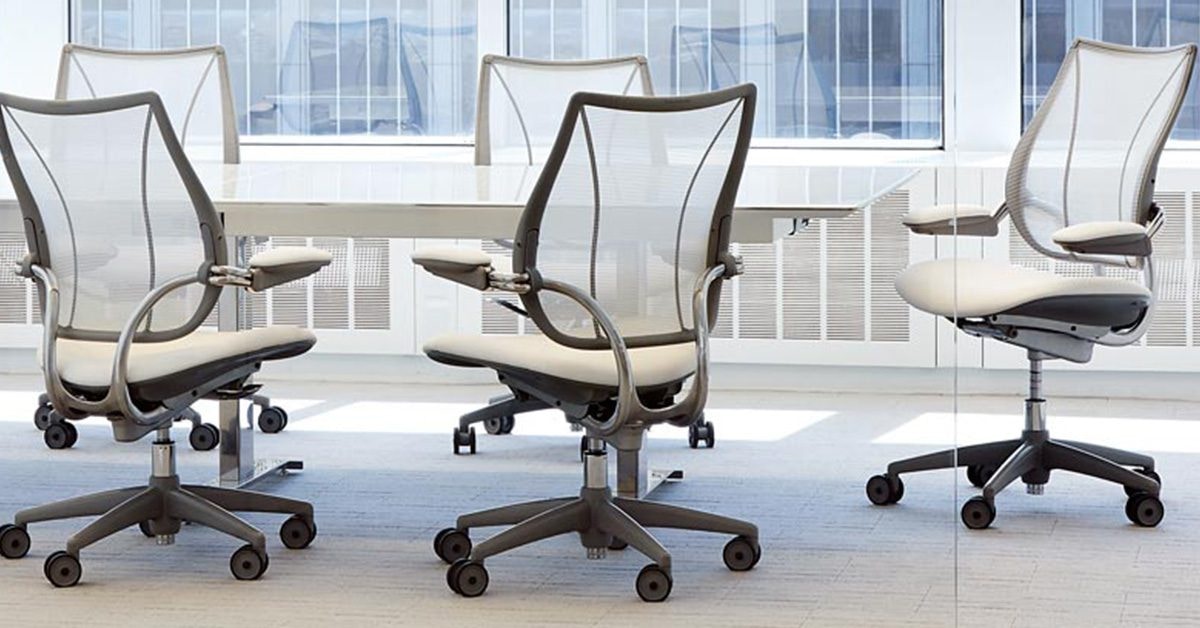
Ergonomic chairs are designed to provide users with maximum comfort, support, and flexibility while sitting for extended periods. Examples of ergonomic chairs on the market include the Herman Miller Aeron Chair, Steelcase Leap Chair, Humanscale Freedom Chair, Liberty Task Chair and their sustainability range like the Liberty Ocean Chair. These chairs have various adjustable features that provide maximum comfort and support to users, making them ideal for prolonged periods of sitting. These chairs have several features that help to maintain good posture, reduce strain on the body, and prevent musculoskeletal disorders. Some key features of an ergonomic chair include:
The importance of these features cannot be overstated, as they contribute significantly to maintaining good posture and reducing the risk of workplace injuries. Without these features, users may experience discomfort, pain, and strain that can result in long-term health problems. The images above include ergonomic office furniture from our furniture and fit-out projects: Latham Watkins and Rolls Royce Finance & Partners.
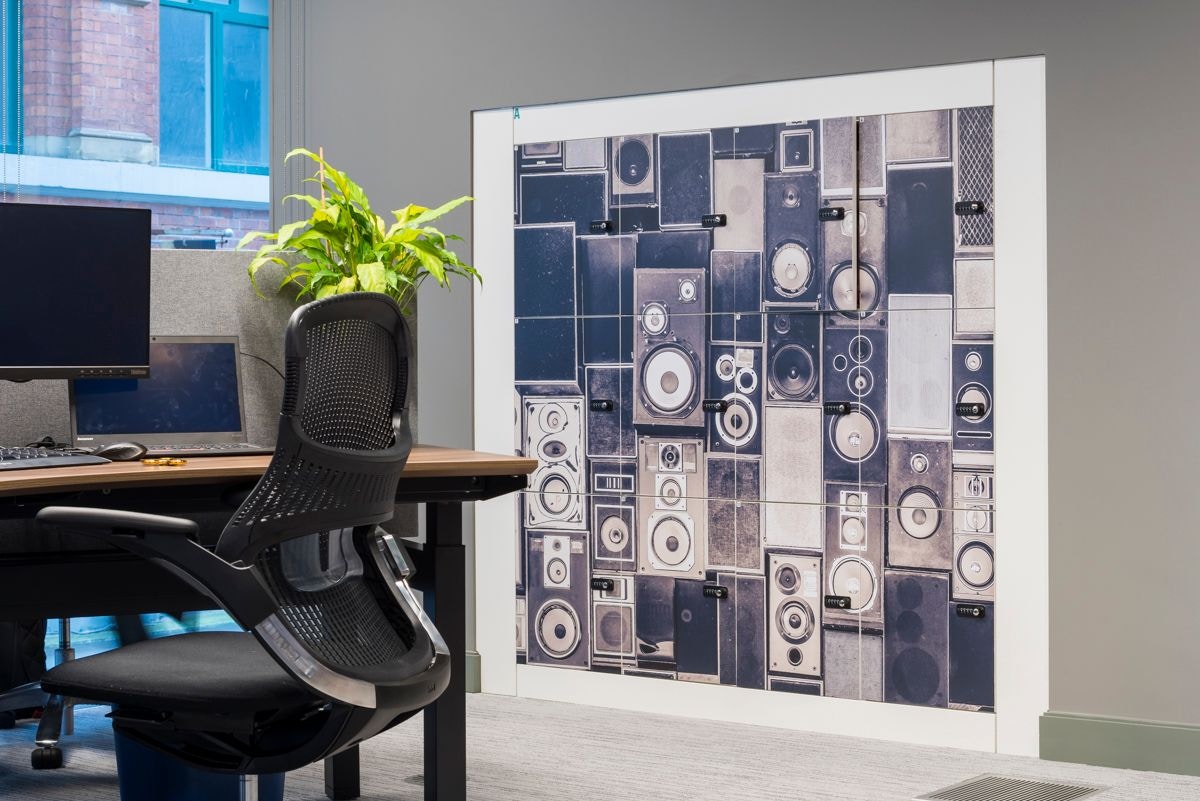
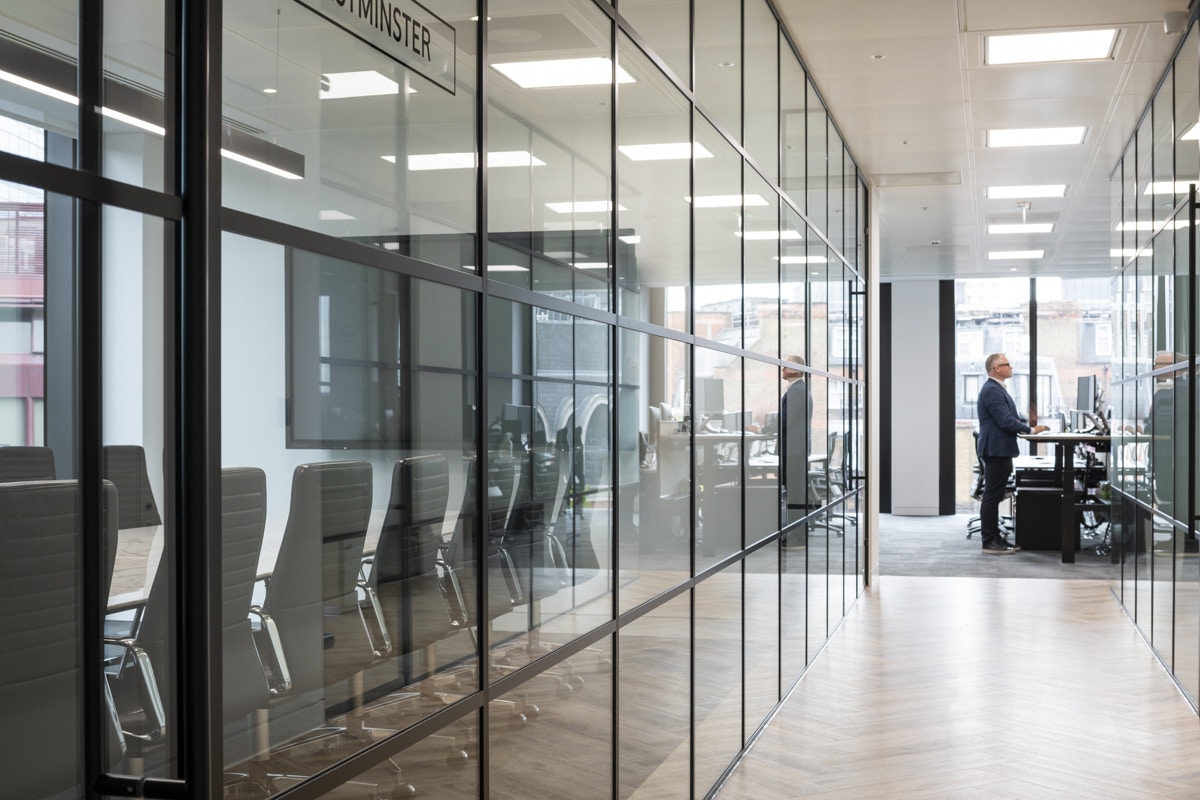
Ergonomic sit-stand desks have become increasingly popular as more companies embrace flexible working. By allowing users to easily transition between postures, these versatile desks reduce the risks associated with prolonged sitting, such as back pain, poor circulation, and musculoskeletal discomfort.
By integrating height-adjustable features, ergonomic sit-stand desks cater to various body types and preferences, ensuring that each user can find their optimal working position. This customisation fosters proper posture, alleviates stress on the spine, and promotes healthier work habits, resulting in increased comfort and productivity.
In addition to boosting physical well-being, sit-stand desks can also enhance mental focus and energy levels. By encouraging regular movement throughout the workday, these innovative desks help combat the afternoon slump, keeping users engaged and energised for peak performance.
When choosing an ergonomic sit-stand desk, consider factors such as ease of height adjustment, weight capacity, and available workspace. Additionally, look for desks with integrated cable management systems and compatible accessories, such as monitor arms, keyboard trays, and anti-fatigue mats, to create a seamless and efficient workspace tailored to your needs.
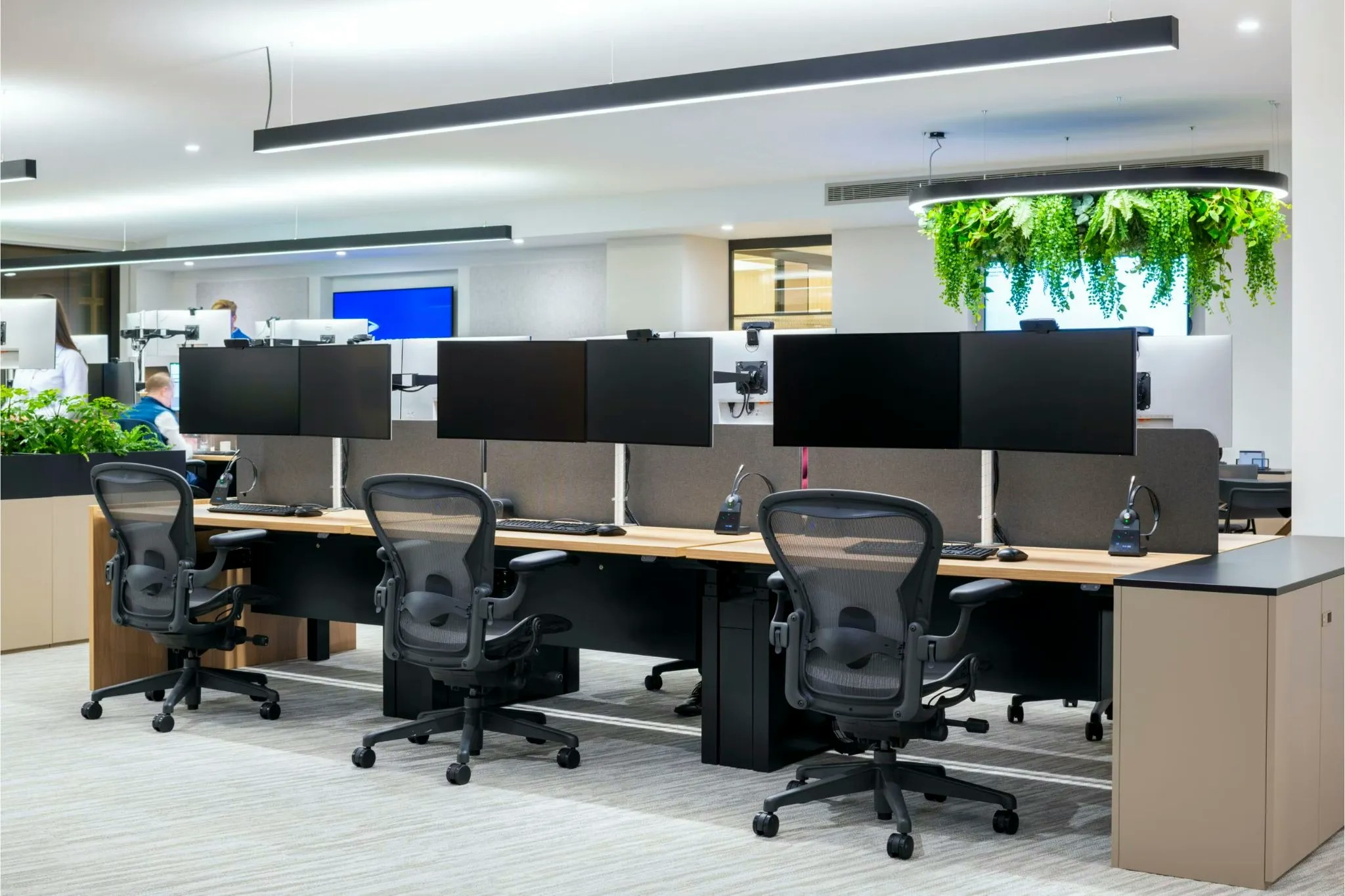
Proper keyboard and monitor placement is crucial in promoting good posture and reducing strain on the body. Incorrect placement can lead to discomfort, pain, and musculoskeletal disorders. Keyboard trays and monitor arms are designed to provide users with maximum comfort and flexibility while working. Some key benefits of keyboard trays and monitor arms include:
Examples of keyboard trays and monitor arms on the market include the Fellowes Professional Series Sit/Stand Keyboard Tray, Ergotron LX Desk Mount LCD Arm, and Humanscale M2.1 Monitor Arm. These products have various adjustable features that provide maximum comfort and support to users, making them ideal for prolonged periods of sitting or standing.
Proper lighting in the workplace is crucial in promoting good posture and reducing eye strain. Insufficient lighting can lead to discomfort, headaches, and reduced productivity. Ergonomic accessories such as footrests and wrist pads can also provide additional support and comfort, reducing strain on the body. Some key benefits of ergonomic lighting and accessories include:
Examples of ergonomic lighting and accessories on the market include the BenQ e-Reading LED Desk Lamp, TaoTronics LED Desk Lamp with Wireless Charging, Fellowes Memory Foam Wrist Rest, and Mind Reader Adjustable Footrest. These products have various features that provide maximum comfort and support to users, making them ideal for prolonged periods of sitting or standing.
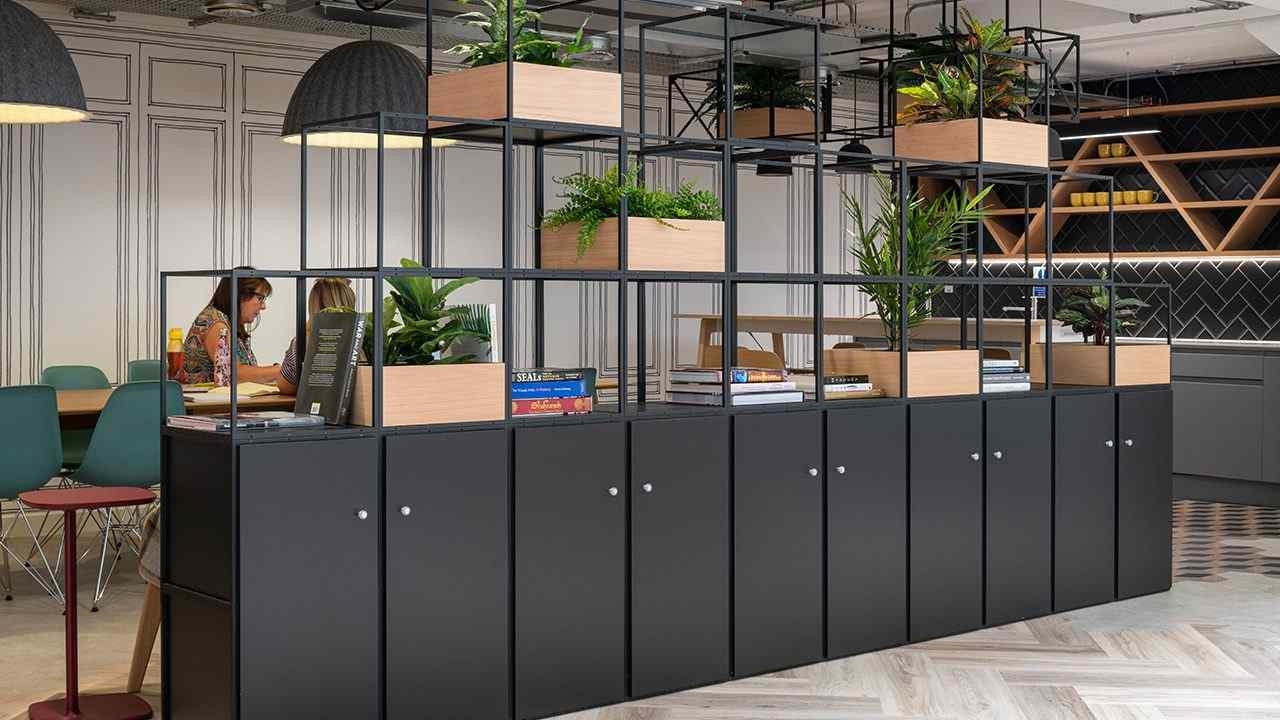
By investing in ergonomic furniture, businesses can enhance employee well-being, reduce the risk of work-related injuries, and boost overall efficiency. At K2 Space, we understand the importance of creating a well-designed, ergonomic workspace that caters to the diverse needs of your employees. Our team of experts will work closely with you to identify the right ergonomic office furniture solutions, ensuring that your workplace promotes both comfort and productivity. From height-adjustable sit-stand desks to ergonomically designed chairs, we can support you with a wide range of high-quality products that will transform your office environment into a healthy, efficient, and inspiring space. If you would like to have a chat with our team, our contact details are below.