Share
Summarise


Most conversations about the cost of office space begin and end with one number, the rent per square foot. That figure matters, yet it rarely tells an organisation what its workplace will actually cost to occupy. Rent is the headline. The real budget sits underneath it.
The true cost of office space is the total cost of occupancy, the full set of charges an organisation carries every year it holds a lease. Rent is the largest line, but business rates, the service charge, energy, and the capital tied up in the fit-out all sit alongside it. Read together, these figures decide whether a building is good value or an expensive mistake. Read in isolation, rent flatters cheap buildings and punishes good ones. This guide breaks down each part of the cost of UK office space in 2026, from the City of London to the Big Six regional centres. The aim is a clear benchmark for lease planning and workplace investment, written for occupiers weighing a move and for landlords shaping space that holds its value. 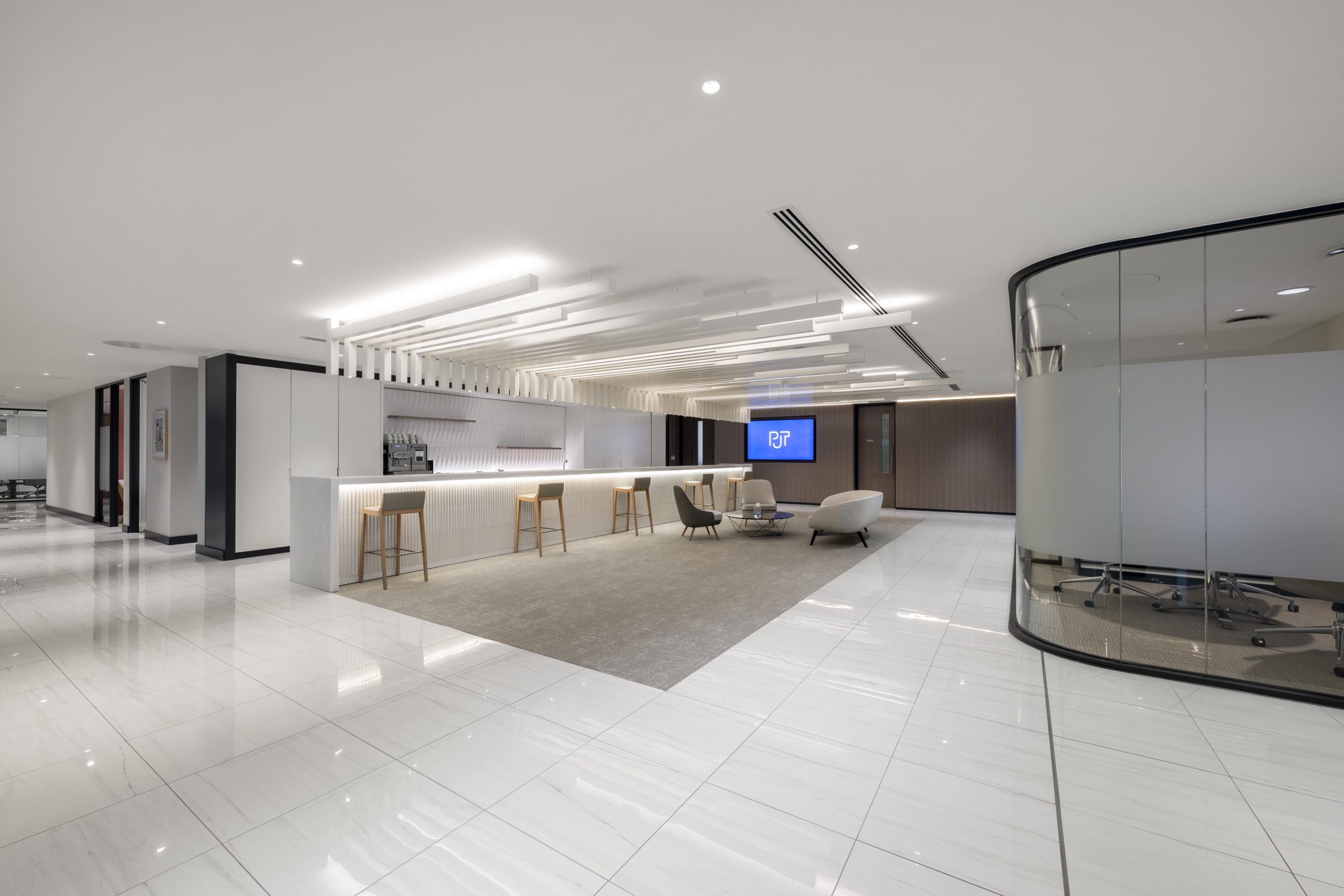
The property industry already measures this in full, and its method is worth borrowing. The IPD Total Occupancy Cost Code, the framework behind Lambert Smith Hampton’s annual Total Office Cost Survey, pulls together more than twenty separate cost lines for a single occupied building. They run from net effective rent and business rates through maintenance and cleaning, and on to business support costs such as reception and catering. Grouped sensibly, those lines fall into four buckets. There is the rent paid to the landlord. There are the statutory costs, chiefly business rates, paid regardless of how the building performs. There are the running costs of keeping the space open, captured through the service charge and energy. And there is the capital cost of the fit-out, the money spent turning a bare floor into a working office, spread across the years of occupation. Model only the rent and you have budgeted for about half the building. The discipline that protects a budget is simple. Cost the whole building, then divide by the year and by the desk, so the number means something to whoever signs it off. 
The rent quoted in a marketing brochure is the headline rent. The rent an occupier actually pays, once incentives are counted, is the net effective rent, and the gap between the two can be wide enough to change a decision. The main lever is the rent-free period, the months at the start of a lease when no rent falls due. The arithmetic is blunt. A two-year rent-free on a ten-year term takes close to a fifth off the headline figure once it is spread across the lease. Carter Jonas, whose Net Effective Rents Monitor tracks both measures across 22 central London districts, found typical rent-free periods broadly unchanged through 2025, which means a tightening market now shows up almost entirely in headline rents. On its measure, prime net effective rents across central London ended the year more than 20 percent above their pandemic low. Headline rent ranks buildings by sticker price. Net effective rent ranks them by what leaves the bank. That changes how a building reads. A floor quoting £80 per square foot with two years free can cost less over the term than one quoting £72 with barely any incentive. Incentives also tighten when supply is scarce, so in the markets where the best space is hardest to find, the discount shrinks as the rent climbs. Our guide to London office rent tracks both figures by submarket. 
Business rates are the property tax occupiers pay on the space they hold, and they are the cost most often left out of an early budget. The bill is the property’s rateable value multiplied by a figure set each year by central government. For most office occupiers in 2026, that calculation changed in two ways at once. First, a revaluation took effect on 1 April 2026, resetting rateable values to reflect rental levels as at April 2024, and after several years of rental growth many central London floors saw their values rise. Second, the multipliers were rebuilt, with England moving from two to five. The standard multiplier for a rateable value between £51,000 and £499,999 is 48.0p, down from 55.5p the year before. A new high-value multiplier of 50.8p applies to every property with a rateable value of £500,000 or more. That last band catches more offices than most occupiers expect. A whole prime floor in the City or West End comfortably exceeds a £500,000 rateable value, so it attracts the higher 50.8p rate. The lower multipliers introduced for retail, hospitality and leisure do not apply to offices at all, so office occupiers see none of that relief. On a good London floor, rates can add £30 per square foot or more on top of the rent. That is a number for the first budget meeting, not the last. 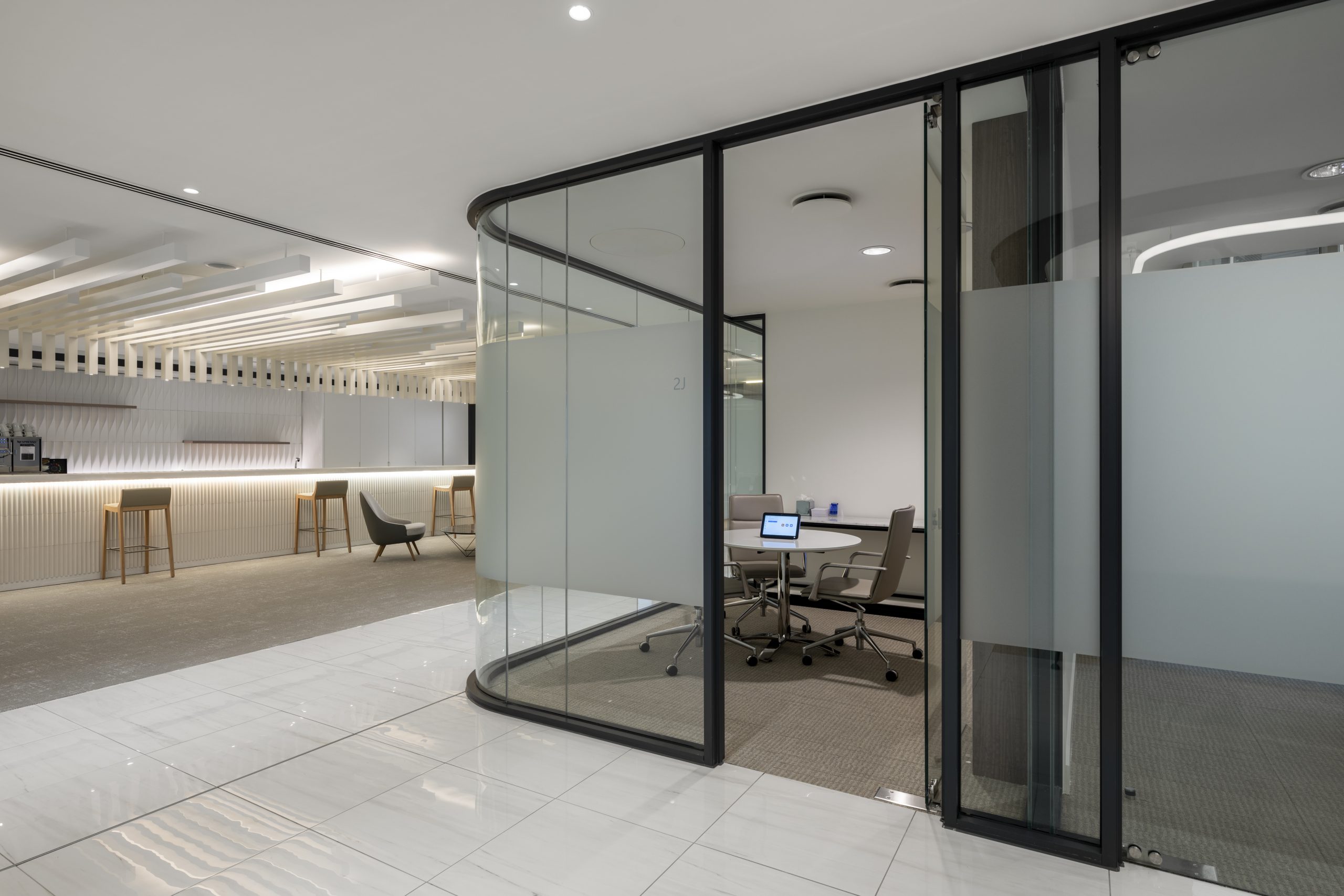
The service charge covers the landlord’s cost of running the building, the parts every tenant shares. Reception staffing, lifts, heating and cooling of common areas, maintenance, security, and cleaning all sit here. On a modern multi-let London building the service charge often falls between £12 and £18 per square foot a year, recoverable from tenants in full, a real and recurring part of the bill. Energy now does more than add to that figure. It decides whether a building can be let at all. The current legal minimum is an EPC rating of E, and the government’s stated destination is EPC B for let commercial buildings by 2030. The consulted route there included an interim step at EPC C, originally proposed for 2027 and since expected to slip towards 2028, with the final rules still awaited. The direction is not in doubt, only the timetable, and buildings that fall behind face restricted lettability and the cost of catching up. The interests of occupier and landlord meet here. A well-run, energy-efficient building usually carries a higher rent and service charge, yet it returns lower energy bills, fewer interruptions, and a far smaller risk of becoming unlettable mid-lease. A cheaper, poorly rated building can cost more once inefficiency and the threat of forced upgrades are counted. The pattern that has shaped the market, the flight to quality, is more than anything a flight away from buildings whose running costs and obsolescence risk are climbing. 
Rent, rates, and the service charge are recurring costs. The fit-out is different. It is a one-off capital investment made at the start, and how an organisation accounts for it shapes how the whole project is judged. Spread the cost across the lease term and it becomes a comparable annual figure, sitting alongside rent. Fit-out cost depends on specification, building condition, and how much the landlord has already done. A straightforward Cat B fit-out on good Grade A space tends to run from around £80 to £120 per square foot, while a high-specification project for a demanding occupier can pass £200 per square foot. Our work for Rolls-Royce & Partners Finance sits at that end of the market, where joinery, mechanical and electrical services, and technology carry most of the budget. JLL’s 2026 global guide put the benchmark for a medium-quality corporate fit-out at $205 per square foot, roughly £153, with London among the world’s most expensive markets and mechanical and electrical services the largest single component of a typical budget. Our detailed breakdown of office fit-out costs sets out where the money goes and how to hold a budget through procurement. Treating fit-out as capital rather than an afterthought lets an organisation compare a turnkey deal against a shell-and-core deal on equal terms, and keeps the long-life elements, the things that are painful to replace, at the centre of the brief. Choosing design and build as a route brings design and construction under one party, which closes the gap where cost certainty usually leaks. The same logic carries into a refurbishment, where our guide to office refurbishment costs compares the figures. 
Rents tell the clearest regional story, and 2026 opened with records in several markets. In the City of London, Savills reported average prime rents reaching £130.80 per square foot in the first quarter, up 40 percent on a year earlier and a record for the market, with a new top rent of £160 set at 1 Leadenhall. The West End held its place as one of the most expensive markets in the world, with average prime rents around £165 per square foot and a top rent of £201 achieved at 77 Grosvenor Street in Mayfair. The gap between City and West End prime rents has narrowed to its lowest level in more than 25 years. These figures reflect the best Grade A space, not the wider market, but they set the ceiling everything else is measured against. The regions now compete on quality, and rents have followed. Across the Big Six cities, Savills recorded average prime rental growth of 6 and 7 percent over the past two years, the strongest back-to-back performance on record, with that growth driven primarily by constrained supply. Birmingham and Bristol both set new record headline rents of £52 per square foot in the first quarter of 2026, the highest in the regions, while Leeds climbed 15 percent during 2025 to £46. Savills projects headline rents in Birmingham, Bristol, Edinburgh and Manchester reaching £60 per square foot by 2030, if not before. Among regional centres, the science-led economies of Cambridge and Oxford remain among the dearest outside London, with lab-enabled space commanding a clear premium. The gap between a top building and a secondary one keeps widening. With prime supply tight and most agents expecting rents to rise further, the cheap option is rarely the well-located, well-rated one. For the capital specifically, our review of the wider London office market goes deeper than this national view allows. 
Rent and rates per square foot make a building look expensive or cheap. Set against the cost of the people inside it, both look small. For most organisations, salaries run to many multiples of property cost, so a workplace that keeps good people, and helps win new ones, earns its rent back long before the lease ends. That reframes the question. The right measure is value per person. A building with good light, efficient floor plates, strong amenities, and a layout that fits how teams work supports the business in ways a cheaper, tired building cannot. It is the thinking behind workplaces we have delivered for firms such as PJT Partners and KKR, where the office is part of how the firm presents itself to clients and to the people it wants to hire. The same instinct drives the wider market, where occupiers take slightly less space and spend more per square foot on quality, so prime rents keep rising while demand for poor stock falls away. Standing still carries a price too. Holding space that no longer suits the organisation, or a building drifting towards an obsolete energy rating, costs money that never appears on a rent review. Underused floors and rising running costs erode value quietly. For occupiers in financial services and professional services, where client perception and staff expectations both run high, the real cost of the wrong building shows up in lost hires and lost clients long before it shows up in the accounts. 
The figure that makes a property decision real for a board is the cost per desk, the total annual cost of occupancy divided by the number of people the space supports. It turns a wall of per-square-foot numbers into one line that scales with headcount. The arithmetic is straightforward. Take the all-in annual cost per square foot, net effective rent plus rates plus service charge plus the amortised fit-out and running costs, then multiply by the space each person occupies. Modern offices plan at roughly 80 to 100 square feet per desk once collaboration space is counted, lower than a decade ago as hybrid patterns have reshaped space planning. In prime central London the lines stack up fast. Lambert Smith Hampton’s survey has put the all-in annual cost of a single new Mayfair workstation at more than £21,000 once every cost is counted. Build the cost-per-desk model before you view a single building. The Big Six cities have historically run around 40 percent below central London on a per-desk basis, and that gap holds even after recent regional growth. A model built early is what keeps a search honest, and what lets a board set a London floor and a regional one side by side on the same terms. 
The largest savings come from decisions made before a lease is signed. Getting the right amount of space is the first lever, because every square foot carries rent, rates, service charge, and fit-out for the life of the lease. Honest occupancy data usually shows that an organisation needs less space than it assumed, and better space than it feared. The second lever is the deal itself. Net effective thinking, careful use of rent-free periods, and a clear read on how the 2026 rates change lands on a particular building all shift the long-term cost. The third is the fit-out, where a single team holding design and construction together protects the budget far more reliably than a chain of separate appointments. Specifying quality office furniture through proper furniture consultancy, and phasing a move so the business keeps running, both protect value that a fragmented approach tends to lose. The thread running through all three is cost certainty. A figure understood in full and modelled per desk is a figure an organisation can plan around. Our office relocation checklist sets out how to hold that certainty from the first decision to the final handover, and the choice of design and build over a traditional route is often where it is won or lost. 
A number this layered is only as reliable as the person accountable for it. Split rent, rates, fit-out, furniture and the move across separate advisers, and every handover becomes a place for the figure to slip. Hold them together, and the cost of the whole building can be fixed and planned around before the first decision is made. K2 Space has delivered workplaces across London since 2004, for organisations from global financial institutions to professional services firms such as William Blair. Bringing design, fit-out, furniture, and move management under a single team means cost is controlled as a whole, with a defined timeline and a fixed budget rather than moving parts that no one owns. For organisations weighing a move, a renewal, or a refurbishment, that ownership separates a budget that holds from one that drifts. To build an accurate picture of what your next workplace will cost, contact our team or request an initial cost estimate.