Share
Summarise


/ Cat A vs Cat B vs Cat A+ Fit-Out
Understanding the differences between Cat A, Cat B and Cat A+ fit-outs is essential when planning a new workspace. Each option reflects a different level of finish, responsibility and readiness for occupation, impacting cost, programme and flexibility. This guide clearly explains what is typically included in each category, who they suit best, and how to decide which route aligns with your commercial.
When searching for commercial office space in London, one of the first distinctions you’ll encounter is between Cat A and Cat B fit-out. These categories define what a building offers at handover and what work remains before your team can move in. Generally speaking, Cat A and Cat A+ are the concern of landlords; they’re the baseline specifications landlords use to attract tenants, while Cat B is where clients and end users come in, shaping the space to suit their own brand, culture, and way of working. Getting this right from the outset can save months of programme time, hundreds of thousands in unexpected costs, and considerable frustration during relocation.
For tenants, the fit-out category shapes not just the initial cost of occupation but also the degree of control you have over your final workplace environment. A building marketed as Cat A-ready presents a blank canvas. A Cat B fit-out delivers a complete, operational workspace. Cat A+, a more recent addition to the vocabulary, occupies the middle ground.
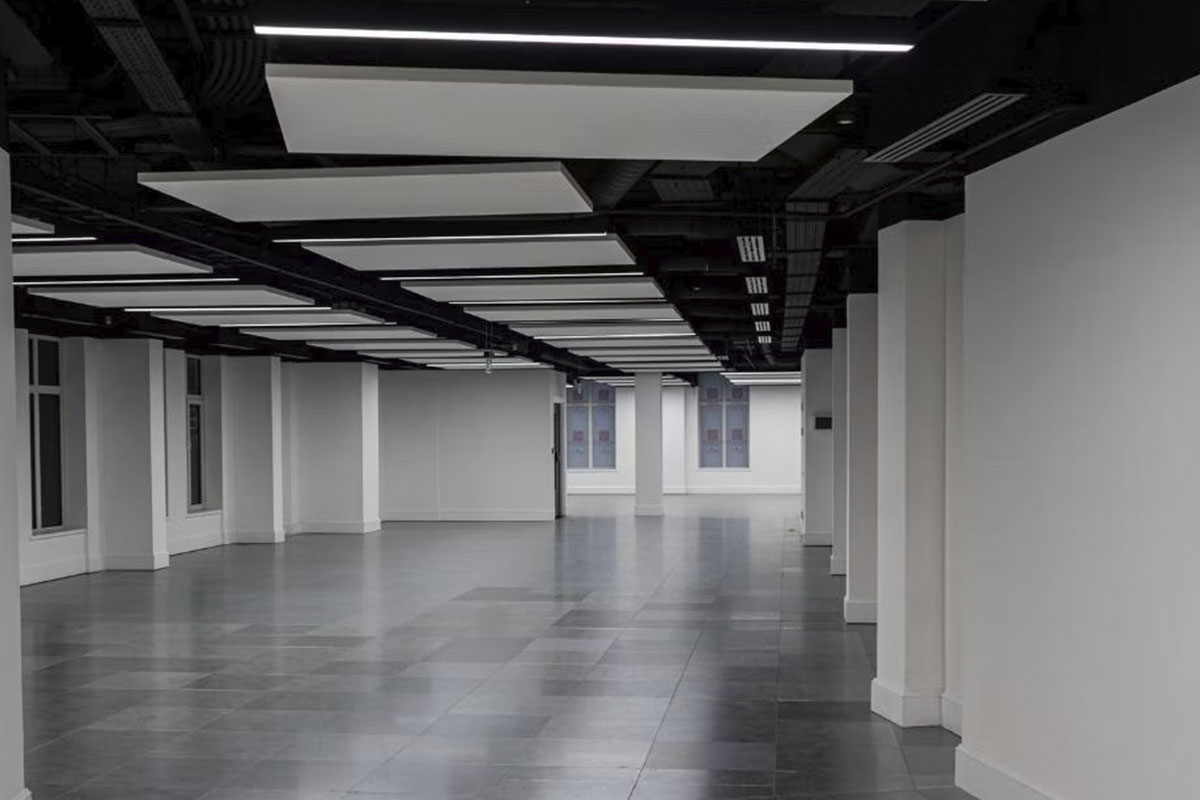
A Cat A fit-out is the base build standard for commercial office space. It is what a landlord typically delivers to make a building legally occupiable, but not yet ready for a specific tenant to work in. Think of it as the infrastructure upon which any organisation can construct their own workplace.
Standard Cat A elements typically comprise raised access flooring, suspended ceilings with basic lighting, mechanical and electrical services distributed to floor level, fire detection and suppression systems, and toilet facilities serving the common parts of the building. The space will be weathertight, climate-controlled, and compliant with building regulations. It will not include partitions, workstations, meeting rooms, or kitchen facilities within the demised area.
The quality and specification of Cat A works vary considerably between buildings. A Grade A tower in the City of London delivers Cat A to a far higher standard than an older building undergoing refurbishment. Ceiling heights, floor loadings, power density, and cooling capacity all influence what can be achieved in the subsequent Cat B phase.
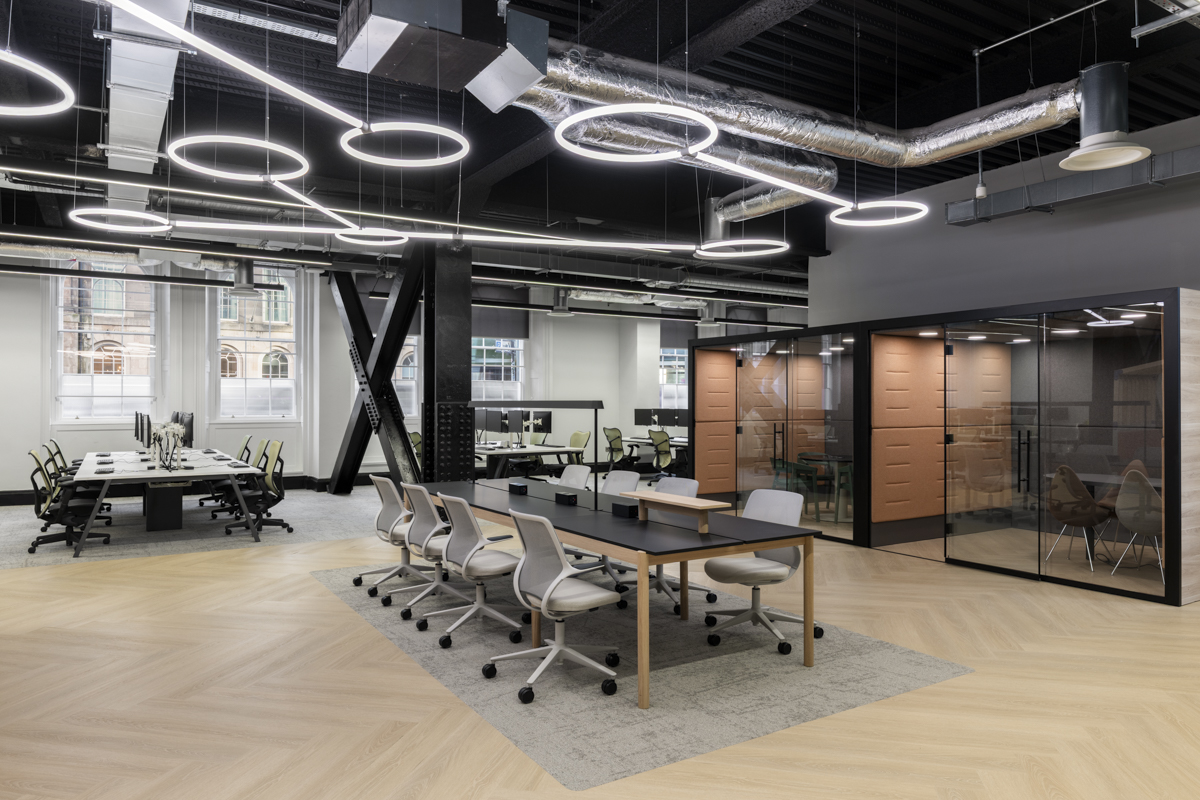
A Cat B fit-out transforms the Cat A shell into a complete, operational workplace tailored to the occupying organisation’s needs. Where Cat A is the landlord’s work, Cat B is the tenant’s. It encompasses everything required to support an organisation’s people, processes, and culture from day one.
Typical Cat B elements include partitioning to create meeting rooms, offices, and support spaces; floor and wall finishes selected to reflect brand identity; bespoke joinery including reception desks, tea points, and storage; task and feature lighting beyond the basic Cat A provision; AV and technology infrastructure; furniture comprising workstations, seating, and soft furnishings; wayfinding and signage; plus any specialist installations the organisation’s operations require.
The cost of a Cat B fit-out varies enormously depending on specification level and organisational requirements. A straightforward fit-out for a cost-conscious occupier might achieve £80 to £100 per square foot. A high-specification environment for a demanding financial services client could exceed £200 per square foot. These figures exclude furniture, which typically adds another £30 to £80 per square foot depending on quality and ergonomic requirements.
The design and delivery of Cat B fit-outs is where specialist fit-out contractors add the greatest value. Translating organisational needs into physical space requires understanding of how people work, how the brand manifests in the environment, and how to balance competing demands for privacy, collaboration, and flexibility.
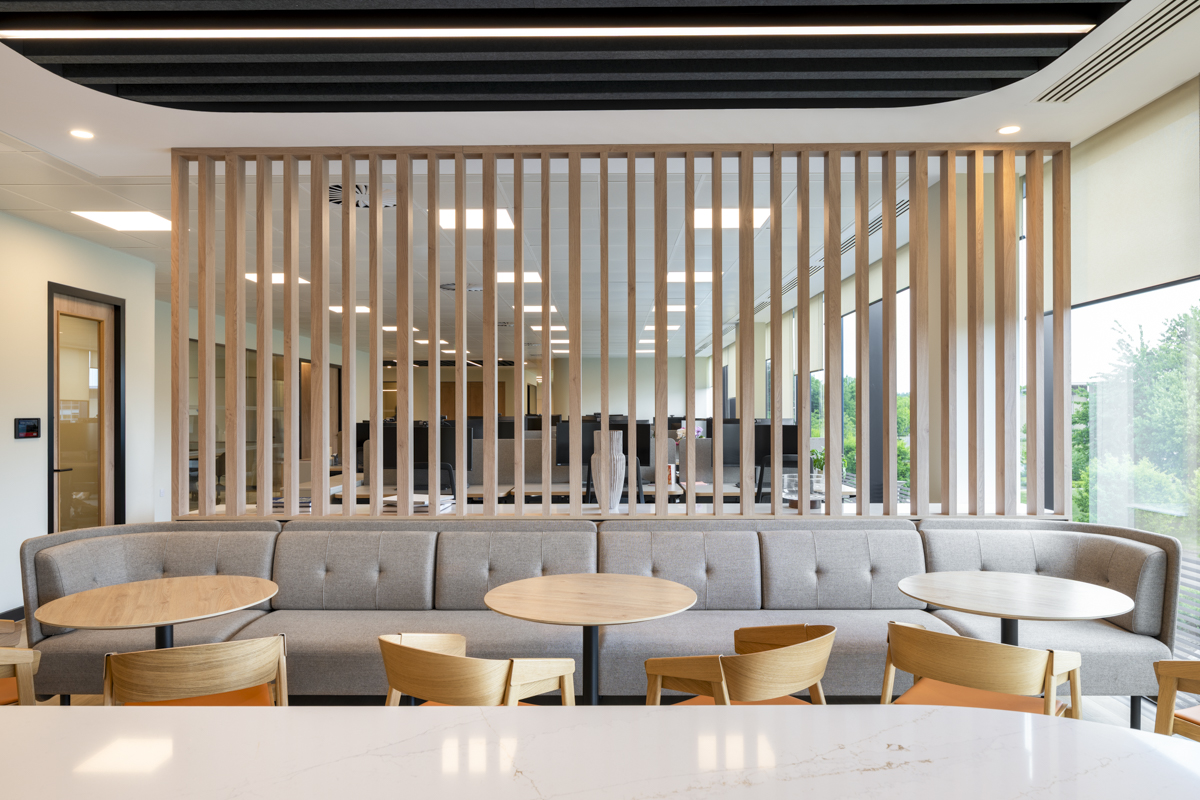
Cat A+, sometimes called Cat A Plus or plug-and-play space, emerged as a response to shifting occupier demands. It bridges the gap between empty Cat A shells and fully bespoke Cat B environments, offering a middle ground suited to organisations seeking speed, simplicity, or flexibility.
A Cat A+ fit-out takes the base Cat A specification and adds elements traditionally associated with Cat B, but in a generic rather than bespoke manner. Partitioned meeting rooms appear, but with neutral finishes rather than branded interiors. A basic kitchen or tea point is included. Flooring extends throughout rather than stopping at raised access panels. The space looks and feels like an office rather than a construction site, yet it remains unbranded and unoccupied.
Landlords increasingly offer Cat A+ to differentiate their buildings and reduce void periods. For prospective tenants, viewing a warm, lit, finished space proves far more compelling than walking through a bare shell.
The timeline from lease signing to occupancy can compress dramatically, sometimes to weeks rather than months. The required capital expenditure is reduced because much of the work has already been completed by the landlord. The risk associated with fit-out project transfers, at least in part, falls on the building owner.
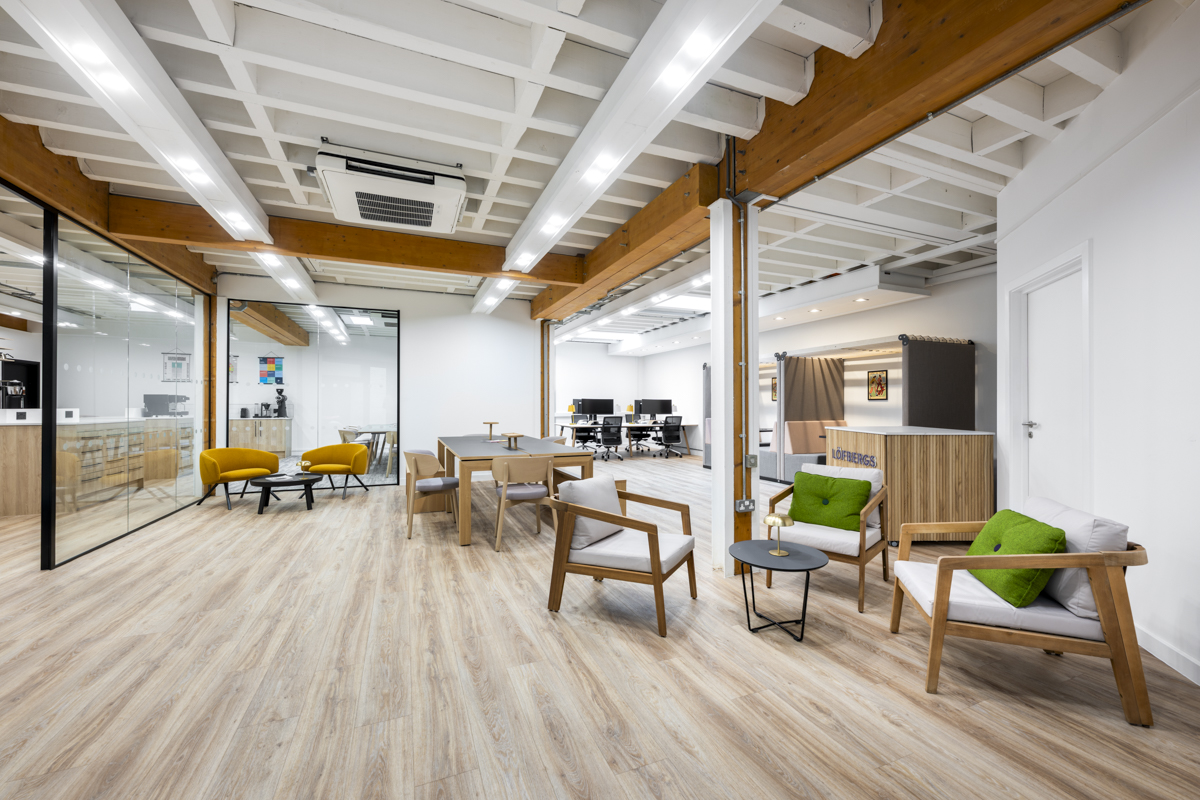
The Genetec project, a 6,000-square-foot fit-out in a West End period building, illustrates how organisations can still create distinctive environments even when working from enhanced base conditions. By focusing investment on the elements that matter most to their brand and culture, organisations can achieve impressive results without the full complexity of a ground-up Cat B transformation.
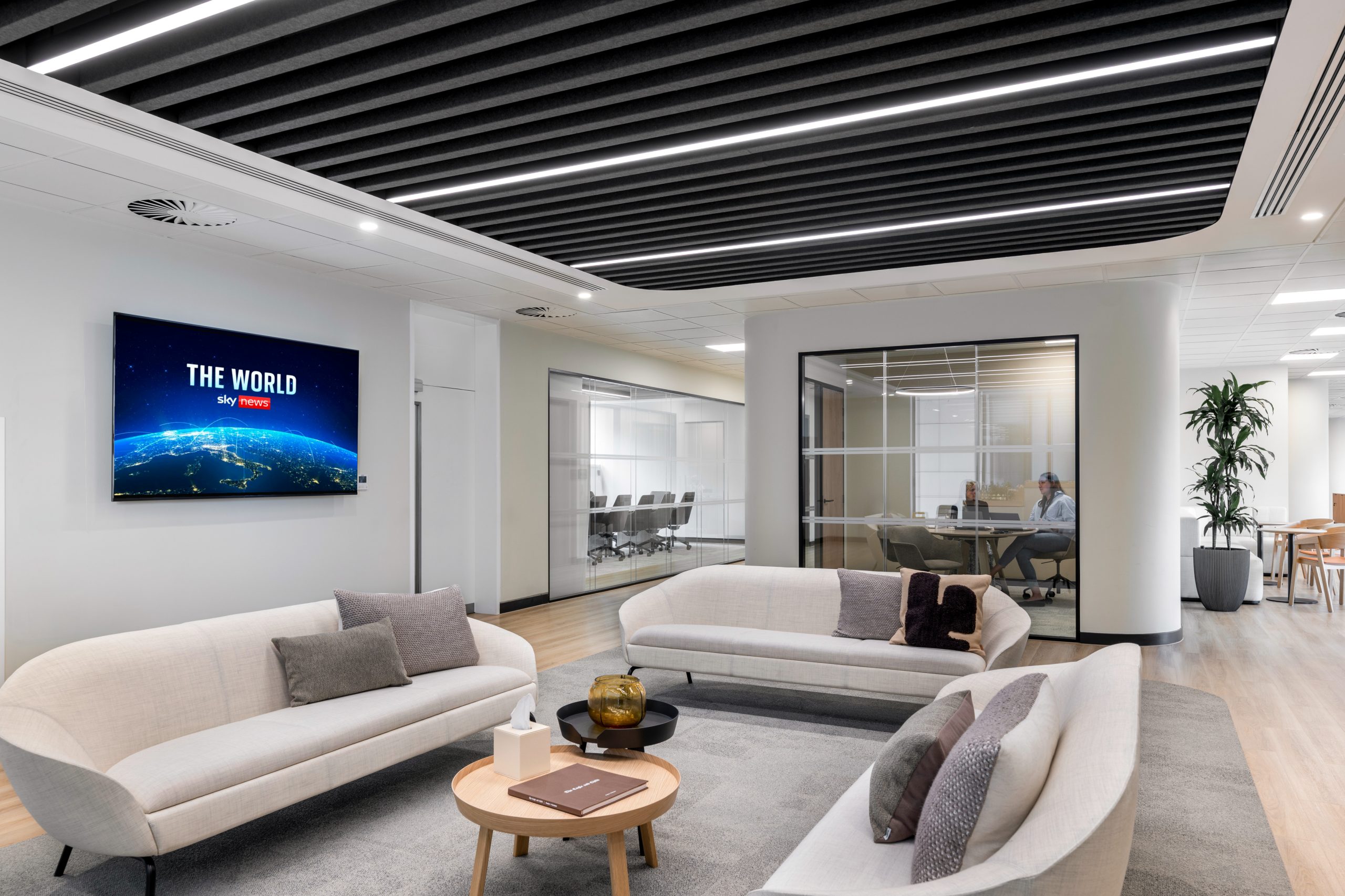
The choice between Cat A, Cat A+, and Cat B reflects a series of trade-offs that different organisations weigh differently according to their circumstances.
A Cat B fit-out from a Cat A shell typically requires 16 to 24 weeks of design and construction, plus lead times for furniture and specialist equipment. Cat A+ space can potentially be occupied within four to eight weeks, with minimal work required beyond furniture installation and IT commissioning. Organisations facing lease expiries, rapid growth, or urgent operational requirements may find the compressed Cat A+ timeline compelling regardless of other considerations.
Taking Cat A space and delivering a full Cat B fit-out requires substantial capital expenditure, typically £120 to £200+ per square foot for a quality London office. Cat A+ space requires lower capital investment from the tenant, though landlords typically recover their fit-out costs through higher rents over the lease term. The total cost of occupation over five or ten years may prove similar, but the upfront burden and cash flow implications differ markedly.
Cat A space offers complete control over every aspect of the workplace environment. Organisations can create spaces precisely tailored to their operational requirements, brand identity, and cultural aspirations. Cat A+ space, by definition, constrains these choices. The meeting rooms are where the landlord placed them. The finishes are what the landlord selected. The kitchen is the size the landlord built.
Bespoke Cat B fit-outs typically become fixtures and fittings that must be removed at lease end, triggering dilapidations obligations. Cat A+ fit-outs, particularly where the landlord funded the work, may remain in situ. Understanding the long-term implications of each approach requires dialogue with landlords and careful lease drafting.
Taking Cat A space and delivering a comprehensive Cat B fit-out makes most sense for organisations with specific requirements that a generic space cannot accommodate. This includes businesses with specialist operational needs, strong brand requirements, or particular ideas about how their workplace should support their culture and ways of working.
Trading floors require power density and cooling capacity that standard Cat A+ provisions cannot deliver. Law firms need acoustic privacy that lightweight partitioning does not provide. Creative agencies want open, flexible spaces that prebuilt meeting rooms would fragment. When the workplace must serve specific functional requirements, designing from scratch is often the only viable approach.
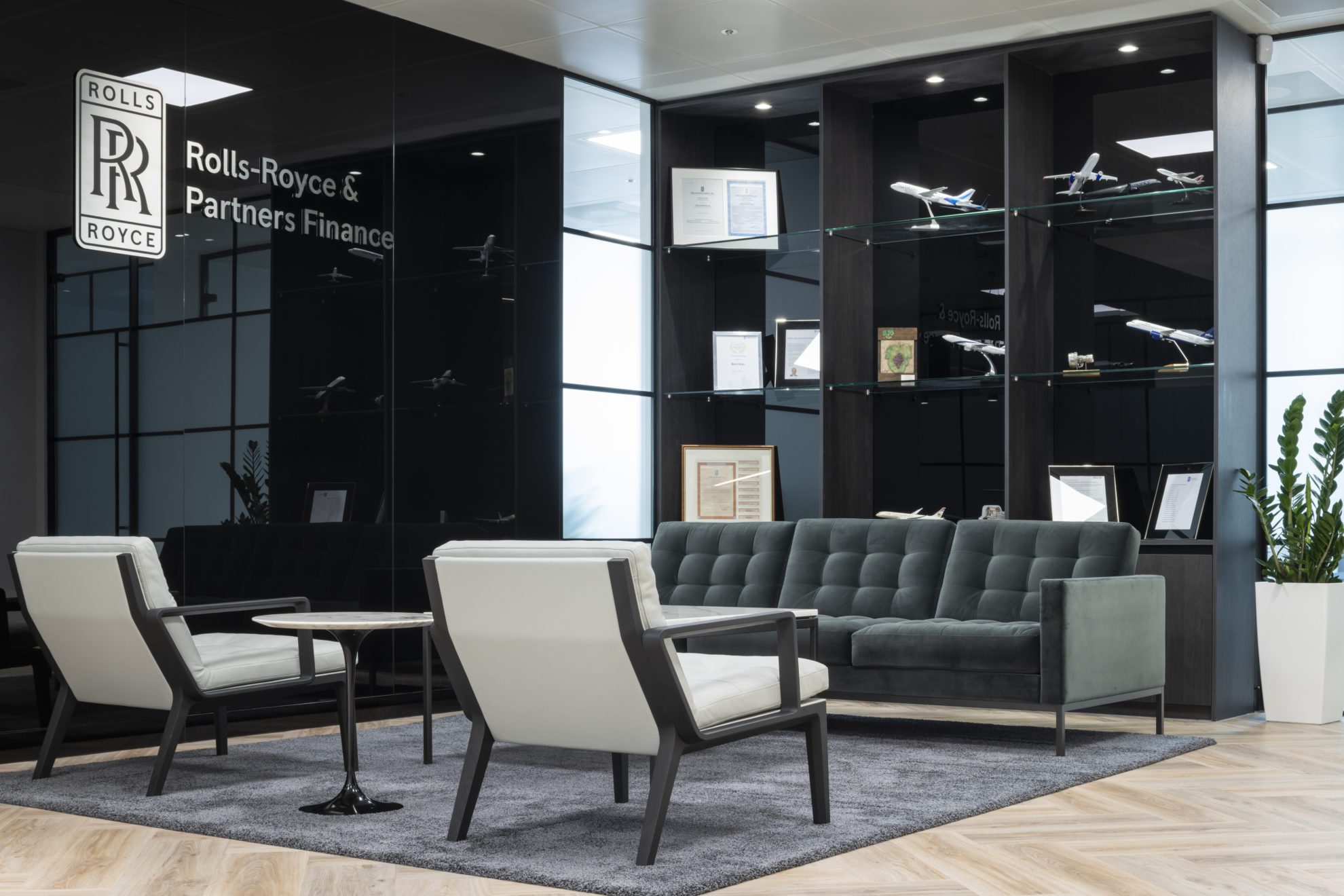
For organisations where the workplace plays a central role in communicating identity, whether to clients, prospective employees, or existing staff, accepting generic finishes feels like a missed opportunity. The Rolls-Royce project demonstrates how a Cat B fit-out can embody brand values through material selection, spatial quality, and attention to detail that no Cat A+ specification could replicate.
Longer lease terms also favour Cat A approaches. When an organisation plans to occupy space for ten or fifteen years, the upfront investment in a bespoke fit-out amortises over a longer period. The additional cost per year becomes modest, while the benefits of a precisely tailored workplace accumulate throughout the lease.
Organisations planning hybrid working strategies may also prefer Cat A, since designing from scratch allows them to optimise the balance of individual, collaborative, and social spaces without inheriting layouts designed for a different era of working.
Cat A+ space delivers particular value for organisations prioritising speed, simplicity, or capital preservation.
Speed to occupation is often the primary driver. Organisations facing sudden growth, unexpected lease events, or urgent operational requirements cannot always wait four to six months for a bespoke fit-out. Cat A+ space, potentially ready for occupation within weeks, addresses these time pressures without forcing a compromise to serviced office solutions that may prove expensive over the medium term.
Capital constraints make Cat A+ attractive to growing businesses and those preserving cash for core operations. The reduced upfront investment required to occupy Cat A+ space frees capital for other priorities. For venture-backed companies conserving runway, or established businesses managing through challenging periods, this distinction matters significantly.
Organisations uncertain of their long-term space requirements, perhaps due to growth uncertainty or evolving hybrid working patterns, may prefer the lighter commitment that Cat A+ allows. Walking away from Cat A+ space at lease end involves less complexity and cost than stripping out a bespoke Cat B fit-out to meet reinstatement obligations.
Regardless of fit-out category, furniture, fixtures, and equipment (FF&E) account for a significant component of the total workplace investment. The approach to FF&E procurement varies depending on the starting point and organisational requirements.
Cat A fit-outs require comprehensive furniture procurement as part of the Cat B phase. This provides complete control over product selection, specification, and configuration. The furniture consultancy process typically runs in parallel with design development, ensuring that spatial planning accommodates chosen products and that procurement timelines align with construction completion.
Cat A+ space may or may not include furniture depending on how the landlord has specified the fit-out. Some Cat A+ offerings include basic furniture, allowing immediate occupation. Others provide the architectural fit-out only, requiring tenants to procure their own furniture before moving in. Understanding exactly what is included in any Cat A+ specification is essential before signing a lease.
Commercial furniture faces heavy use, and investing in quality products from established manufacturers typically proves more economical over time than replacing cheaper alternatives every few years. Ergonomic considerations deserve particular attention, since chairs and desks affect employee comfort, health, and productivity every working day.
Warehousing and staging capabilities provide flexibility during the transition to new space. Furniture can be received, inspected, and stored until the fit-out completes, preventing the congestion and damage that can occur when deliveries arrive before spaces are ready.

Environmental credentials increasingly influence workplace decisions across all fit-out categories. How each approach affects sustainability outcomes deserves consideration alongside cost, timeline, and design flexibility.
Cat A fit-outs from shell and core provide the greatest opportunity to embed sustainability from the outset. Material selection, energy systems, and spatial design can all be optimised for environmental performance. Projects targeting certifications such as BREEAM or SKA can integrate sustainability requirements throughout the design and construction process. The DTRE project in Mayfair achieved BREEAM Very Good certification through careful attention to material sourcing, waste management, and energy performance.
Cat A+ space constrains some sustainability choices, since fundamental decisions about materials and systems have already been made by the landlord. However, organisations can still make positive choices in the elements they control, from furniture selection to technology infrastructure.
Circular economy considerations apply across all categories. Organisations vacating existing space can often reuse furniture and equipment in new locations, reducing both environmental impact and cost. Where items cannot be reused, responsible disposal through donation, recycling, or refurbishment demonstrates corporate commitment to sustainability. These considerations should form part of any move management process.
The decision between Cat A, Cat A+, and Cat B depends on weighing multiple factors against your organisation’s specific circumstances. There is no universally correct answer.
Start with the timeline. If you need to occupy space within eight weeks, Cat A is unlikely to be feasible. If you have twelve months or more, all options remain open.
Assess your requirements. Do you have specialist operational needs that standard space cannot accommodate? Does your brand demand a distinctive environment? Are there specific ways of working you want your workplace to support?
Consider your budget. Both the total amount available and the timing of expenditure matter. Cat A offers more flexibility in specification and therefore cost, but requires more capital upfront. Cat A+ spreads costs over the lease through higher rents but reduces initial outlay.
Think about the future. Where will your organisation be in five years? Ten years? Short-term or uncertain requirements favour flexibility. Long-term, stable requirements favour investment in bespoke space.
Engaging with experienced advisors early in the process helps clarify these considerations. A good design partner can assess potential properties against your requirements and provide realistic guidance on what each can deliver. This evaluation should happen before lease negotiations conclude, not after.

Whichever fit-out category you pursue, the complexity of delivering a successful workplace project benefits from experienced guidance. Coordinating property decisions with design development, construction management, furniture procurement, and move planning requires either significant internal resource or an integrated external partner.
A design-and-build approach brings together design, fit-out, and furniture under single responsibility. Decisions in one area can be made with full awareness of their implications for others. Programmes can be optimised holistically rather than sequentially. When issues arise, they are resolved rather than escalated between parties with different interests.
This integration proves particularly valuable when working with Cat A+ space. Understanding exactly what the landlord has provided, identifying what additional work is required, and managing the interface between landlord and tenant works all benefit from experienced oversight. What appears turnkey often requires more work than initially apparent, and discovering this late in the process creates both cost and programme pressure.
K2 Space has delivered workplace transformations across London since 2004, working with organisations taking Cat A shell, Cat A+ space, and existing Cat B environments. Our integrated approach brings together design, fit-out, furniture, and move management under a single team, a defined timeline, and a fixed budget.
To discuss your fit-out requirements, contact our team or request an initial cost estimate to begin the conversation.