Share
Summarise


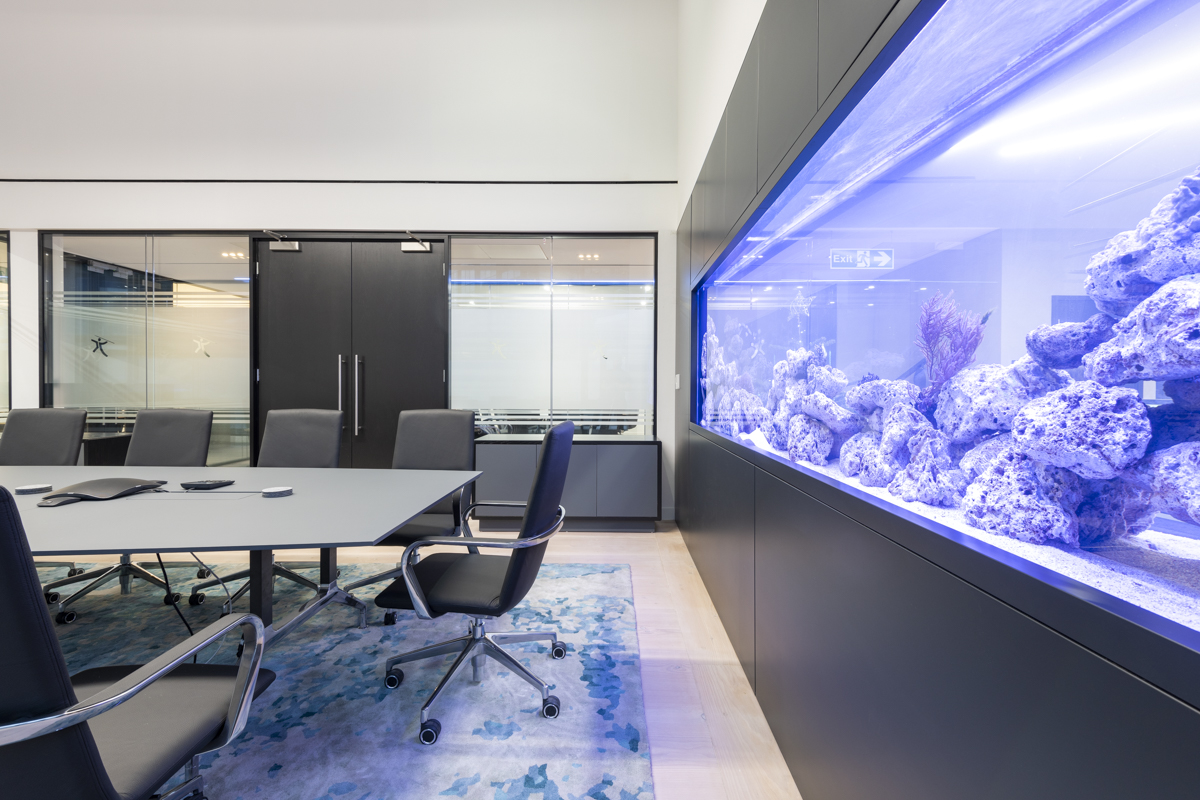
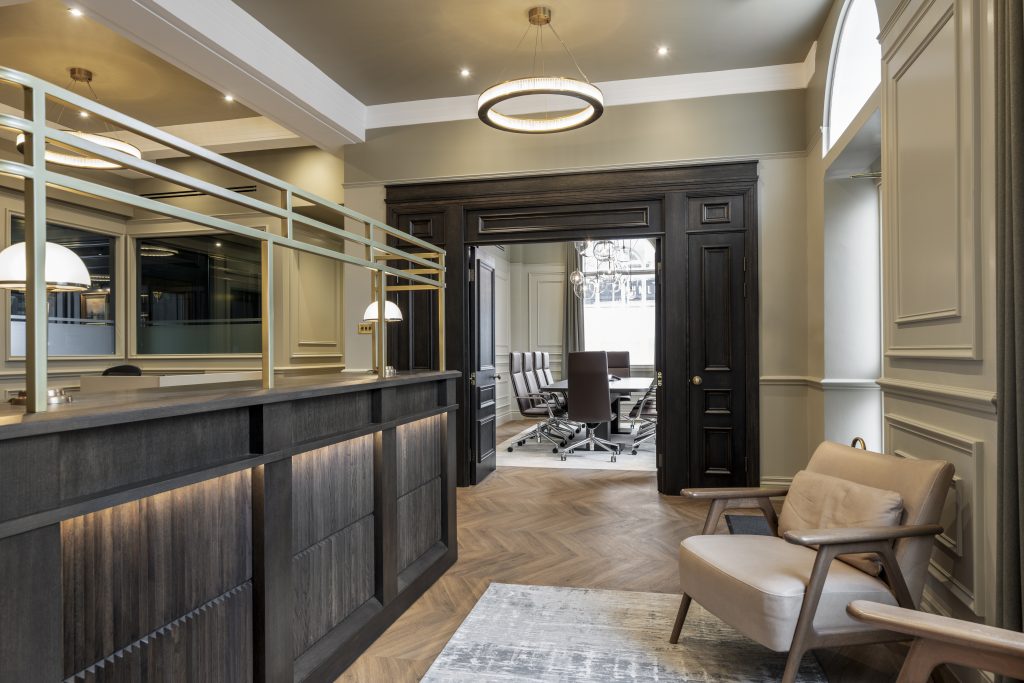
Workplace experience can be defined as the holistic sum of all interactions and touch points that employees encounter within their work environment. It’s the totality of thoughts, feelings, emotions, and lived experiences people have throughout their workday, shaped by how the objects and environments around them resonate. This encompasses not just the physical office space—with its layout, design, lighting, temperature, and amenities—but also the digital tools and technologies employees use, the prevailing corporate culture, and the relationships they foster with colleagues and management. One personal perspective defines it as “the collection of feelings a person has throughout their day about their workplace environment”. This highlights the crucial emotional dimension and its direct link to how employees perceive their work life. The key components contributing to workplace experience are diverse and interconnected:
Some frameworks also consider broader aspects of the employee journey, like hiring, onboarding, growth, and off boarding, with people, technology, policies, and processes as key enablers. While often used interchangeably, workplace experience and employee experience differ in scope. Workplace experience focuses more narrowly on the immediate physical and digital surroundings, daily interactions, and tools influencing engagement and well-being within the work environment itself. Employee experience is a broader concept spanning the entire employee lifecycle, from recruitment to departure, encompassing culture, management, collaboration, compensation, and benefits. In essence, a positive workplace experience is a critical element contributing to a positive overall employee experience. By strategically designing and managing the workplace environment, companies can directly influence employee feelings and performance, impacting the broader employee journey and achieving desired business outcomes. 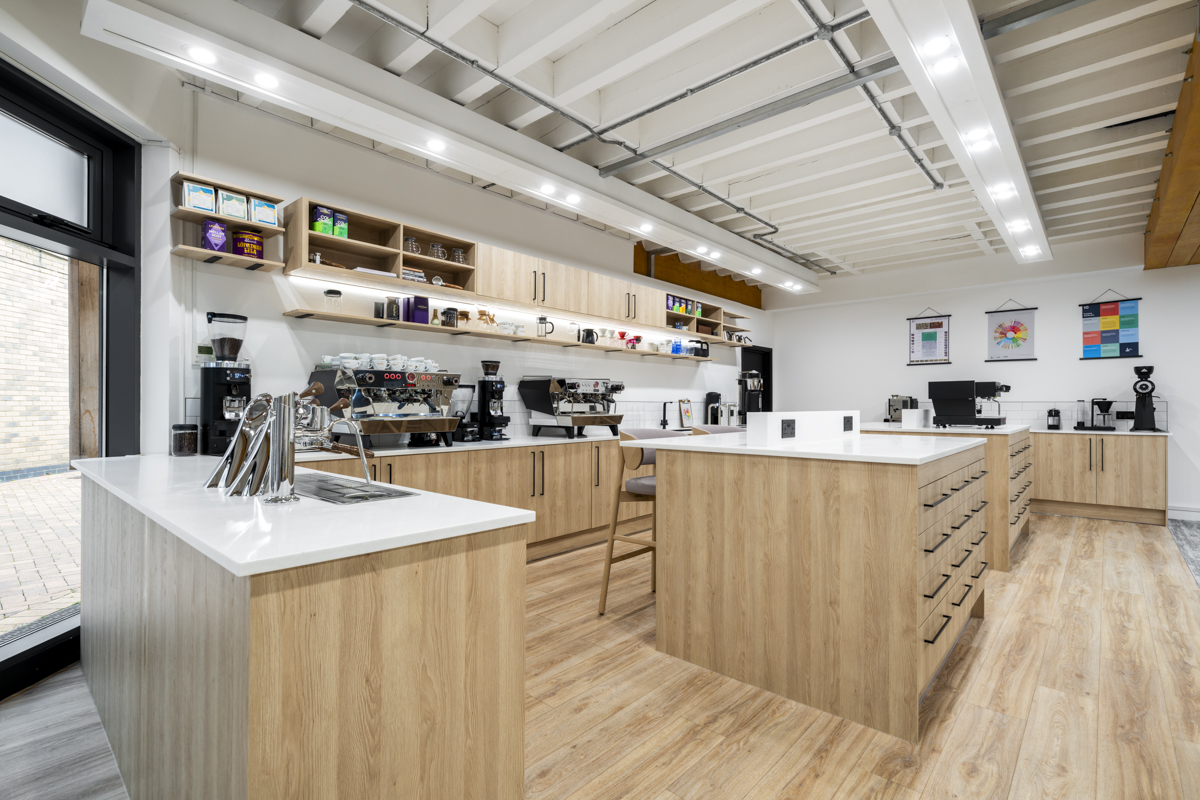
The business environment, particularly in dynamic centres like London, is characterised by its dynamism and intense competition. In thriving hubs, companies are increasingly recognising that their success hinges not only on their products or services but also on the well-being and productivity of their workforce. Consequently, the concept of “workplace experience” has emerged as a critical factor in achieving sustainable growth and maintaining a competitive edge. No longer viewed merely as an inflexible cost centre or a secondary consideration, the design and management of the workplace are now understood as strategic levers that directly impact employee satisfaction, talent attraction, retention, productivity, and ultimately, business outcomes. For businesses operating in competitive environments, the challenge of attracting and retaining top talent is particularly acute. Where opportunities abound, employees have high expectations regarding their work environment. Companies that fail to meet these expectations risk losing valuable personnel to competitors who prioritise creating a positive and engaging workplace. Understanding and investing in workplace experience is not merely a trend but a necessity for businesses seeking to thrive in a demanding market. A significant study highlighted this, indicating that a large majority of executives rated workplace experience as a critical issue to improve productivity and enable growth. This report examines how workplace design has evolved and why crafting a holistic experience – encompassing the physical layout, digital tools, company culture, and the emotional journey of employees – is crucial for modern office success. 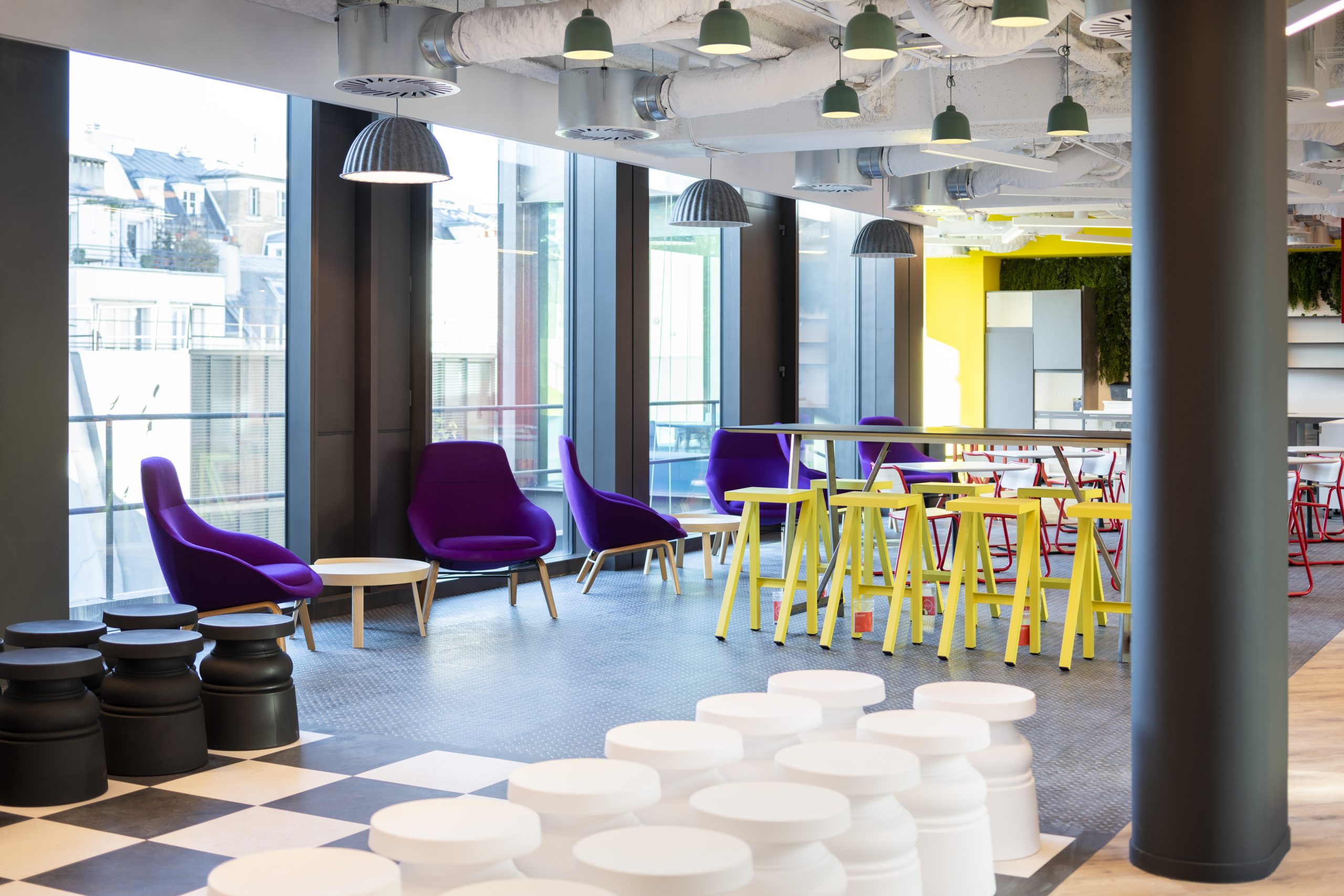
There are numerous articles, studies and research that look at the rationale and benefits of embracing a staff-centric workplace design, not least on this site where we have spoken about workplace wellbeing and why office design matters. What requires further focus is the emergence of the workplace experience as a concept and a driver of office design, and how increasingly companies strive to create work environments that cater to the needs of all staff, be they functional, personal or even emotive. It’s not difficult to understand why this is the case as home and work lives continue to intertwine, coupled with technological advances that further blur any pre-existing boundaries separating the two. When we talk to clients about workplace experience, we often use the analogy of a hotel stay. Consider how your experience as a guest – from entering the lobby through to viewing your room, using the facilities, having a meal, interacting with staff and finally checking out – is similar in many ways, albeit on a more subconscious level, to a staff member’s daily work experience. Exclusive hotels endeavour to map out their guest journey and identify potential pain points that could negatively impact their stay. This is essentially what organisations and office designers are implementing to determine the workplace experience, meticulously mapping out that journey. While hotel guests can leave reviews critical to a hotel’s success on various travel sites, reviews from staff relating to their workplace experience are less straightforward. Understanding the current state requires, in our experience, a mix of surveys, interactive workshops, and interviews with team members. The output from these qualitative and quantitative methods helps paint a picture of the current experience, identify issues and pain points, and crucially allows office designers to make recommendations on how to improve the workplace experience through effective workplace design. There is a wide variety of elements that influence the workplace experience, from the quality of tea, coffee and snacks on offer, to the ability to store bikes that staff use to commute, to offering spaces for quiet reflection or concentration as well as collaboration and catch-ups. Choice and flexibility really are key elements. Offering staff both can have a major positive impact on the work experience, so designing an agile workspace that incorporates a variety of spaces designed for different purposes – that are also attractive and comfortable – is paramount. It’s also worth thinking about utilising those ‘third spaces’ abundant in many offices – areas like corridors or underused corners – and transforming them into small booths where staff can take calls or where they can find privacy to concentrate without distraction. Many companies have now adopted an activity-based working approach (including a variety of spaces that staff can choose to work from depending on the task), while others consistently reference it within briefs when moving to a new space or refreshing an existing workplace. Our workplace design team absolutely encourages this but also emphasises that there is no ‘one size fits all’ approach when it comes to designing a workplace. The same can be said when mapping out a work experience – while both are intrinsically linked, our approach concentrates on defining the desired work experience first, and then designing a space that encapsulates that looked-for experience. Defining the work experience is a collaborative process which involves high levels of engagement with staff. It can focus on noise levels, lighting, views, air conditioning, textures and finishes, office furniture, and so much more. By thoroughly understanding employees’ functional and emotional responses to their work environment, we believe companies can design and deliver positive experiences that support improved organisational performance. It is our belief that buildings and space matter, but people and their performance matter more. Great staff deserve a great place to work – somewhere they enjoy coming to and a space that they are proud to show clients and prospective new team members around. 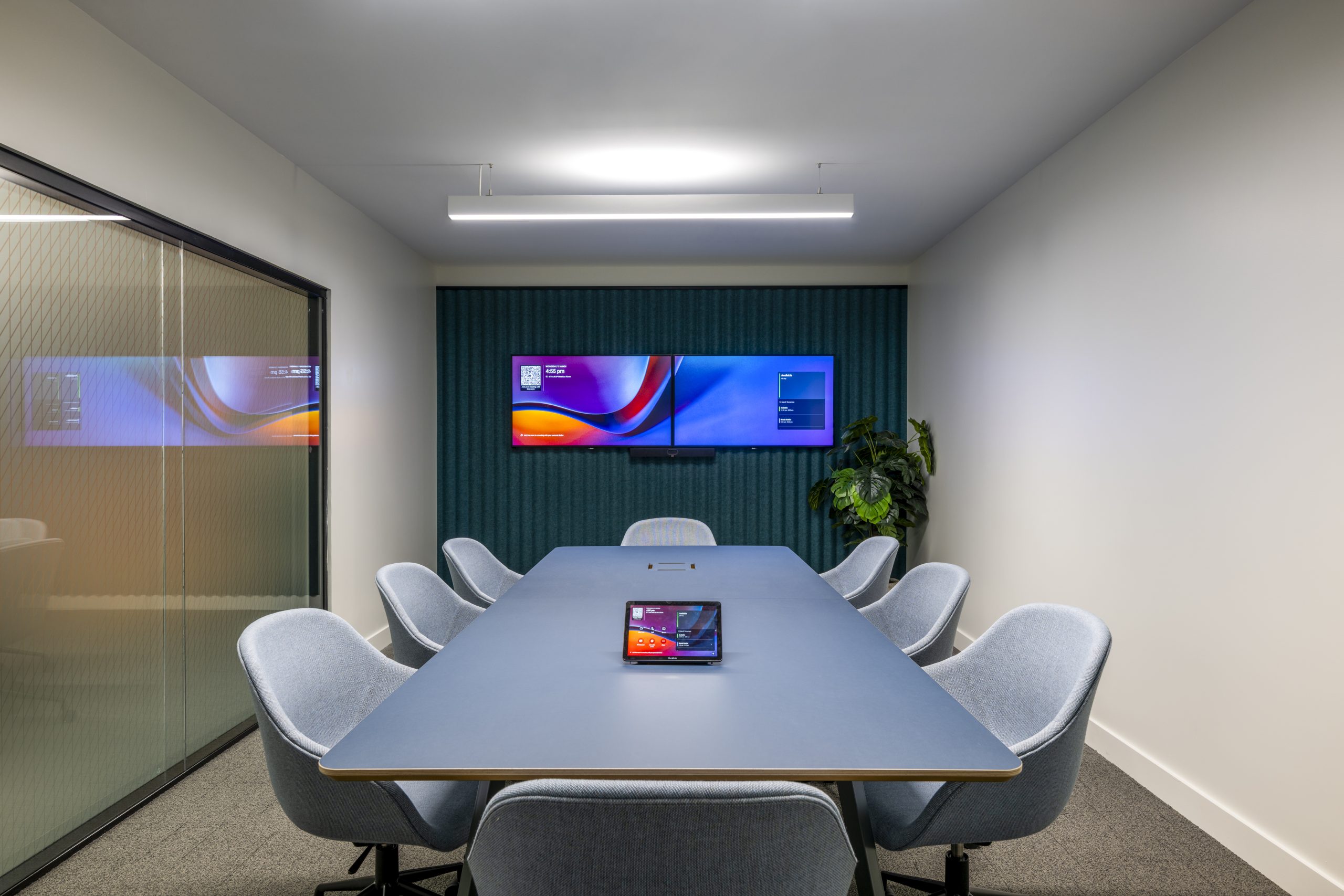
For businesses operating in today’s highly competitive environment, cultivating a positive workplace experience is not merely about employee satisfaction—it is a strategic imperative with direct impacts on key business metrics and overall success. A well-designed, supportive work environment acts as a powerful catalyst for performance and growth. Firstly, a superior workplace experience significantly boosts employee productivity. By fostering focus, motivation, and efficiency through optimised layouts, better tools, and reduced friction, companies empower their people to work smarter. Research indicates that companies with highly engaged workforces, often a result of positive experiences, experience greater profitability (around 21% increase) and productivity (around 17% increase). Secondly, it is a potent driver of employee engagement. When employees feel a sense of belonging, purpose, value, and connection within their work environment, their engagement levels increase substantially. Studies reveal that individuals enjoying positive workplace experiences exhibit significantly higher engagement levels (up to 16 times higher) compared to those with negative experiences. In any competitive market, engaged employees are more enthusiastic, aligned with company goals, and willing to exert discretionary effort, fuelling innovation and business success. Thirdly, prioritising workplace experience is crucial for employee retention. Employees who feel supported, valued, comfortable, and connected are far more likely to remain with their company long-term. Research suggests individuals with positive employee experiences are significantly more likely (up to 8 times more likely) to stay. In a fierce job market, high retention translates into substantial cost savings on recruitment and training, while preserving invaluable institutional knowledge and skills. Furthermore, companies known for exceptional workplace experiences gain a distinct advantage in attracting top talent. Prospective employees actively research company culture and work environments. A strong reputation for prioritising employee experience acts as a powerful magnet, enabling businesses to recruit the best and brightest individuals in a competitive landscape. Finally, a focus on workplace experience contributes directly to improved overall business success. The combined effects of increased productivity, higher engagement, better retention, and enhanced talent attraction positively impact profitability, customer satisfaction (potentially a 10% increase in ratings), quality (potentially a 41% reduction in defects), and overall company culture. S tudies demonstrate a direct correlation between employee well-being and a company’s financial success. Therefore, for businesses navigating a dynamic and demanding environment, investing in workplace experience is not just desirable but a fundamental driver of long-term success and a critical element in achieving a sustainable competitive edge. 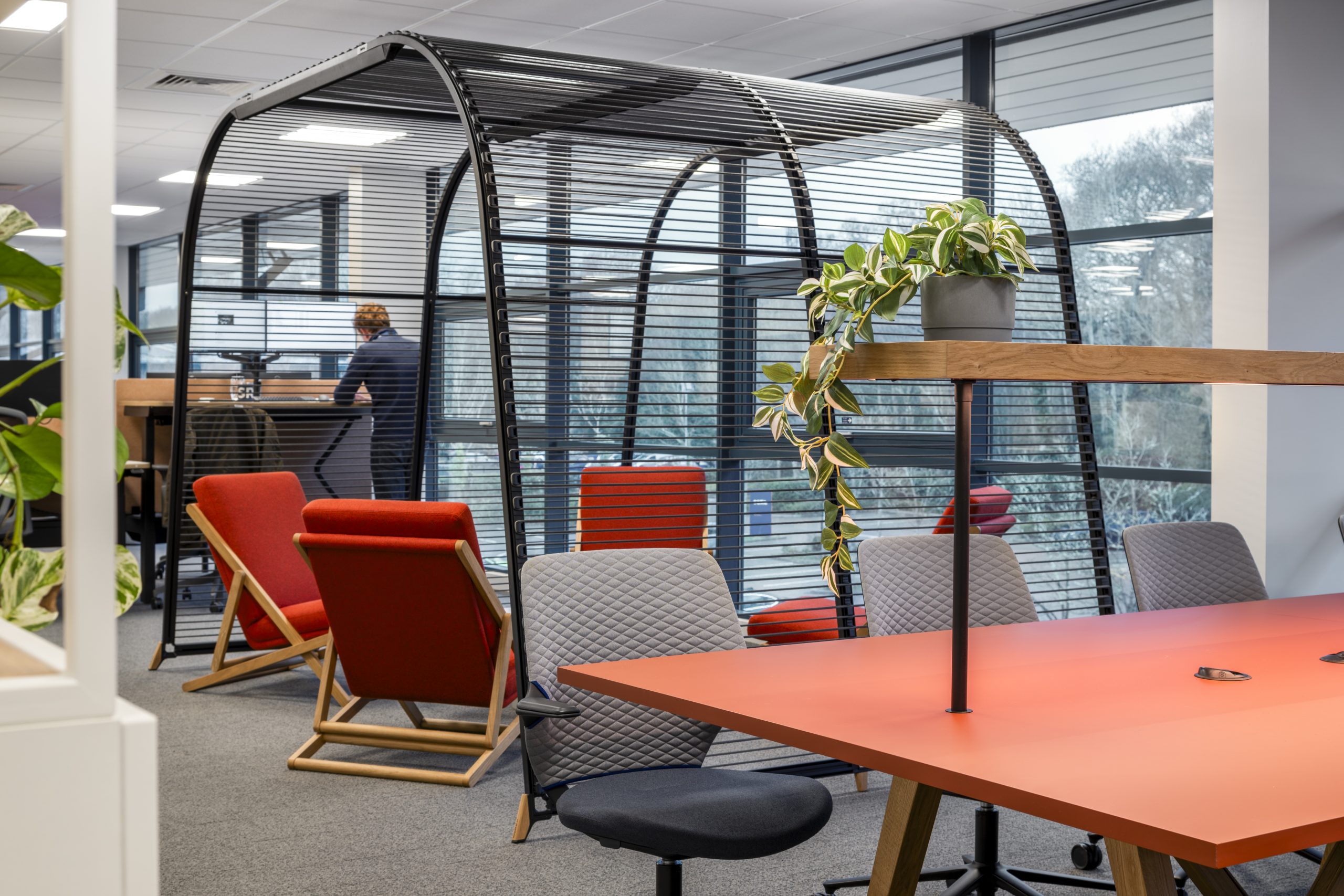
Workspaces are undergoing a significant transformation, driven by evolving employee expectations, flexible working models, technological advancements, and a growing emphasis on well-being and sustainability. Several key trends are shaping the modern office environment: 1. Flexible Workspaces and Hybrid Models: The traditional fixed-desk office is yielding to agile environments supporting hybrid work, where employees split time between remote and office locations. This necessitates versatile designs offering diverse settings like hot-desking areas, collaborative zones, quiet focus pods, technologically enabled meeting rooms for seamless virtual communication, and social hubs. Desk booking systems and hybrid collaboration technology are becoming essential for effective space management. 2. Biophilic Design: Incorporating natural elements into the built environment is a major trend aimed at enhancing well-being, reducing stress, and boosting creativity. This includes maximizing natural light, integrating indoor plants, living walls, using natural materials and patterns, and providing views of nature. Research consistently shows the positive impact of biophilia on employee health and satisfaction. 3. Technology Integration: Smart building technologies and AI are streamlining operations, optimising energy use, and providing space utilisation insights. Seamless wireless connectivity, intelligent booking systems, advanced AV and video conferencing tools are now standard, facilitating communication and collaboration for distributed teams. Technology is viewed as a key enabler of a positive workplace experience. 4. Focus on Employee Well-being: Companies increasingly recognise the importance of supporting holistic employee health – physical, mental, and emotional. This translates into designs incorporating dedicated wellness rooms, relaxation zones, fitness facilities, ergonomic furniture, access to natural light and fresh air, healthy food options, and spaces promoting social interaction. 5. Sustainability: Environmental consciousness is driving demand for sustainable office design. This involves using eco-friendly, low-carbon materials, energy-efficient systems (lighting, HVAC), water conservation measures, waste reduction strategies, and pursuing certifications like BREEAM. (See Section 8 for more detail). 6. Inclusive and Neurodiverse Design: There’s growing awareness of the need to cater to diverse physical and neurological needs. Inclusive design principles ensure accessibility and comfort for everyone, featuring adjustable furniture, clear pathways, sensory-friendly zones (varied lighting/acoustics), and intuitive navigation. This fosters a sense of belonging where all employees can thrive. These trends reflect a fundamental shift towards human-centric workplaces that prioritise flexibility, choice, well-being, sustainability, and inclusivity, designed to accommodate the diverse needs of the modern workforce. 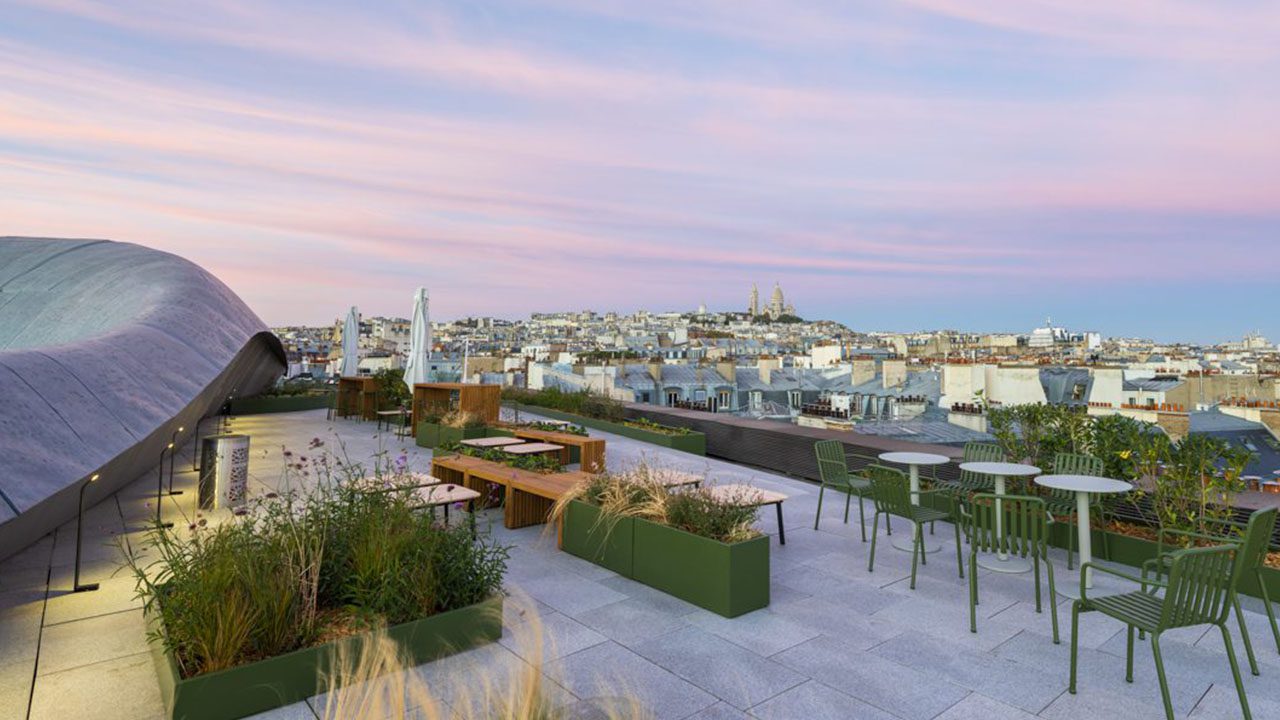
Office refurbishment offers businesses a powerful opportunity to enhance the overall **workplace experience** by revitalising outdated spaces and aligning them with current employee needs and modern work practices, often without the cost and disruption of a full relocation. As businesses evolve, existing offices might no longer support a positive experience; refurbishment addresses this by strategically improving the environment. Key ways refurbishment enhances the workplace experience include:
By strategically reimagining and upgrading existing premises through refurbishment, businesses can directly cultivate a more positive, productive, and engaging workplace experience for their employees. 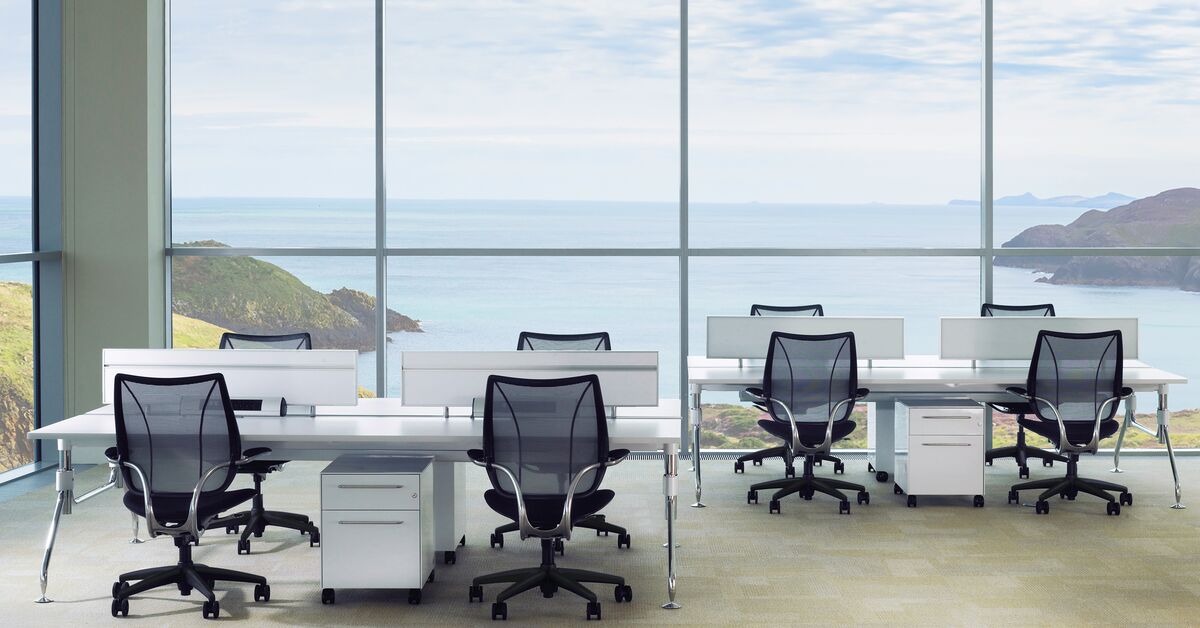
Office furniture is a pivotal element in shaping the workplace experience, extending far beyond mere functionality. It significantly impacts employee comfort, health, well-being, productivity, and the overall aesthetic and atmosphere of the office environment. The right furniture choices can foster collaboration, support various work styles, and contribute to a positive and dynamic team environment. Key considerations when selecting office furniture for a workspace include:
Examples of effective furniture solutions include: ergonomic task chairs, sit-stand desks, large collaborative tables, acoustic pods or booths for private calls/focus work, comfortable lounge seating for breakout areas, modular storage solutions, and technology-integrated furniture (e.g., tables with power outlets). In today’s dynamic work environment, investing in well-designed, high-quality, and ergonomic furniture is a direct investment in the health, satisfaction, and productivity of employees, playing a crucial role in creating a positive and effective workplace experience. 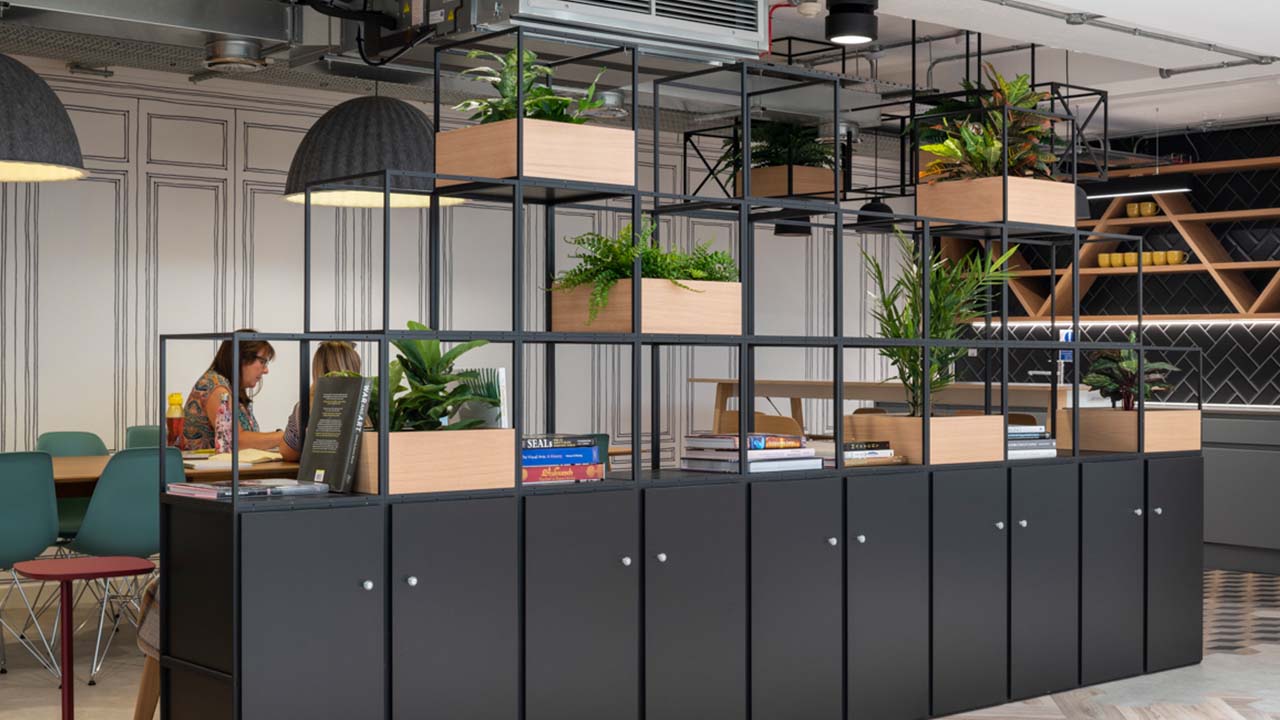
In today’s environmentally conscious market, sustainability is no longer optional but a crucial element of responsible office design and refurbishment. Embracing sustainable practices reduces environmental impact and resource consumption while offering tangible benefits like lower operational costs, enhanced corporate reputation, improved employee well-being, and attracting eco-conscious talent and clients. A leading framework guiding sustainable building practices is BREEAM (Building Research Establishment Environmental Assessment Method). Developed by the UK’s Building Research Establishment (BRE), BREEAM is an internationally recognised method for assessing, rating, and certifying the sustainability of buildings and infrastructure projects, including office fit-outs and refurbishments. It evaluates performance across categories like:
Projects are awarded ratings such as Pass, Good, Very Good, Excellent, or Outstanding based on their performance against these benchmarks. Integrating sustainability into office projects involves strategies such as:
Achieving BREEAM certification for an office fit-out or refurbishment offers significant advantages:
For businesses, pursuing sustainability standards like BREEAM within their workplace design is a strategic investment that aligns environmental responsibility with business benefits, contributing positively to both the planet and the people using the space.
Undertaking an office fit-out or refurbishment project is a significant investment that requires careful planning and execution. Understanding the terminology and process is key to success when seeking to improve the workplace experience. Types of Office Fit-Outs:
The Office Fit-Out Process (Typically Cat B):
Early planning is crucial, especially considering lead times for materials and furniture (which can be lengthy). The Office Refurbishment Process: Refurbishment focuses on upgrading an existing occupied or unoccupied space, often following similar steps to a Cat B fit-out but within the confines of the current premises:
Key Success Factors:
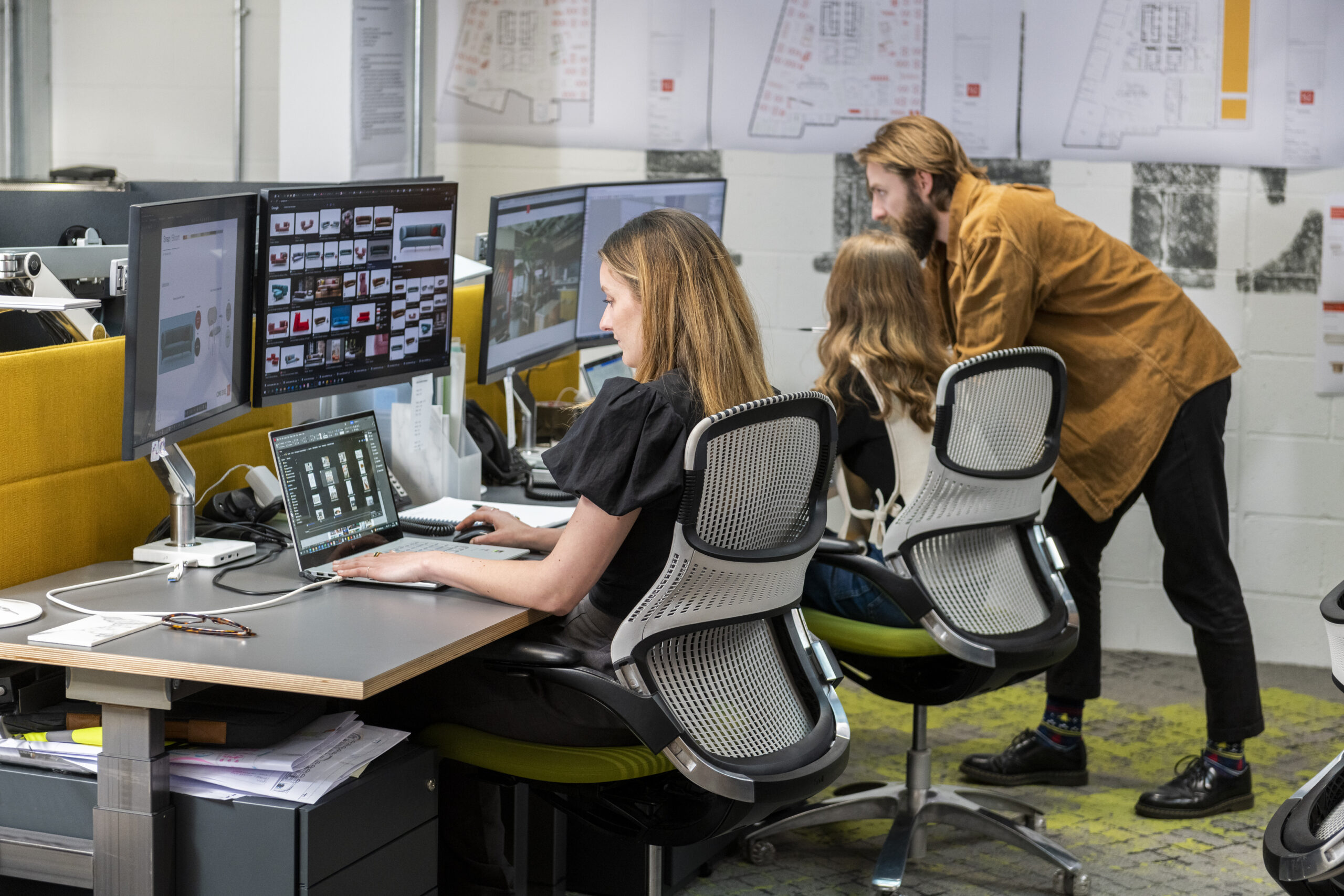
Workplace specialists since 2004, K2 Space is passionate about creating exceptional office design & build and furniture solutions that transform work environments. Our dedicated team of creative office designers, builders, and furniture experts strives to deliver outstanding service and expertise. We go beyond mere aesthetics to craft honest, intelligent, fun, and dynamic workspaces tailored to your unique needs. We guide you through every step of your office transformation journey, from initial consultation and workplace strategy through to detailed design, project management, construction, furniture procurement, and comprehensive aftercare. If you are a business seeking to elevate your workplace experience through an office fit-out, refurbishment, or furniture procurement and installation, we invite you to get in touch with K2 Space. Let our experienced team partner with you to design and deliver a workspace that not only meets your operational needs but also inspires your people, enhances productivity, attracts talent, and drives your business success every day.